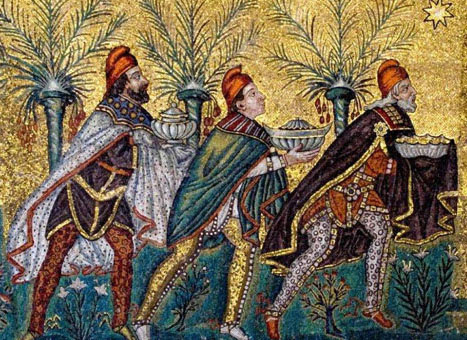
Acuario
A Acuario,
el airoso,
fijo en su servicio,
lo vigila Urano desde lejos;
Saturno le pesa como plomo
y su luz como granate ardiente
destella en el cántaro de amatista
que carga Acuario,
sus tobillos, sus pantorrillas
bañados en el aire fijo
de sus ideales luminosos.
© Rafael Jesús González 2026

Aquarius
Aquarius,
the graceful,
at ease in his service,
is watched by Uranus from afar;
Saturn weighs on him like lead
& its light like a burning garnet
bounces sparks on the amethyst jar
that Aquarius carries,
his ankles, his calves
bathed in the fixed air
of his luminous ideals.
© Rafael Jesús González 2026

-
Se dice que Acuario, el portador de agua, el sanador místico que trae agua a la tierra, es un signo de ideales humanitarios, innovación, progreso, paz y revolución. En 1968, escuché por primera vez la canción “El amanecer de la era de Acuario”, que celebraba una era por venir de progreso, igualdad, conciencia ecológica, paz y esperanza. Era un tiempo de una revolución cultural profunda y corta cuyos logros ahora se deshacen por el ascenso del fascismo.
Fue en abril de ese año cuando fue asesinado Martin Luther King Jr., la figura más alta de toda la historia de Estados Unidos que representaba esos ideales. Este año lo celebramos en medio del fascismo contra cual perdió la vida luchando.
Hoy tenemos como presidente del imperio estadounidense, por segunda vez, a un criminal fascista y embustero que hace cinco años, el 6 de enero, intentó un golpe de estado incitando un ataque al Capitolio. En su inauguración de presidente, este universalmente reconocido mentiroso se le exigió jurar:
"Juro solemnemente que desempeñaré fielmente el cargo de Presidente de los Estados Unidos y haré lo mejor que pueda preservar, proteger y defender la Constitución de los Estados Unidos".
Ese día, aun la Tierra pareció oponerse haciendo ese Día de Inauguración el más frío desde la segunda inauguración del 40º presidente de los Estados Unidos Estados Unidos cuarenta años antes.
Hoy, el presidente fascista ocupa militarmente ciudades estadounidenses y sus matones del ICE asaltan y asesinan a inmigrantes y ciudadanos; hunde barcos ilegalmente y asesina a pescadores en aguas extranjeras; invadió Venezuela sin notificar al Congreso ni contar con su consentimiento; amenaza con invadir Irán y conquistar Groenlandia, y califica de "terroristas domésticos" a quienes se oponen a su régimen fascista. Y mucho más. Su gabinete está compuesto enteramente por fascistas mentirosos y virulentos aduladores ignorantes del derecho constitucional a quienes les importa aún menos. Este hedor del fascismo ni las aguas de Acuario pueden hacerlo dulce.
Los astrólogos no están de acuerdo si la Era de Acuario (de 2160 años) haya ya comenszado o está por empezar, ni si será una de "progreso, igualdad, conciencia ecológica, paz y esperanza" o como supuestamente escribió Carl Jung, "ya no será posible descartar el mal como simplemente la ausencia del bien; su existencia real tendrá que ser reconocida en la era de Acuario", la era espiritualmente deficiente antes de la llegada del Anticristo.
Sea como sea, Comunidad Amada, cultivemos las características de Acuario: ideales humanitarios, innovación, progreso, paz, y seamos y hagamos nuestra revolución. ¡Adelante!
Fue en abril de ese año cuando fue asesinado Martin Luther King Jr., la figura más alta de toda la historia de Estados Unidos que representaba esos ideales. Este año lo celebramos en medio del fascismo contra cual perdió la vida luchando.
Hoy tenemos como presidente del imperio estadounidense, por segunda vez, a un criminal fascista y embustero que hace cinco años, el 6 de enero, intentó un golpe de estado incitando un ataque al Capitolio. En su inauguración de presidente, este universalmente reconocido mentiroso se le exigió jurar:
"Juro solemnemente que desempeñaré fielmente el cargo de Presidente de los Estados Unidos y haré lo mejor que pueda preservar, proteger y defender la Constitución de los Estados Unidos".
Ese día, aun la Tierra pareció oponerse haciendo ese Día de Inauguración el más frío desde la segunda inauguración del 40º presidente de los Estados Unidos Estados Unidos cuarenta años antes.
Hoy, el presidente fascista ocupa militarmente ciudades estadounidenses y sus matones del ICE asaltan y asesinan a inmigrantes y ciudadanos; hunde barcos ilegalmente y asesina a pescadores en aguas extranjeras; invadió Venezuela sin notificar al Congreso ni contar con su consentimiento; amenaza con invadir Irán y conquistar Groenlandia, y califica de "terroristas domésticos" a quienes se oponen a su régimen fascista. Y mucho más. Su gabinete está compuesto enteramente por fascistas mentirosos y virulentos aduladores ignorantes del derecho constitucional a quienes les importa aún menos. Este hedor del fascismo ni las aguas de Acuario pueden hacerlo dulce.
Los astrólogos no están de acuerdo si la Era de Acuario (de 2160 años) haya ya comenszado o está por empezar, ni si será una de "progreso, igualdad, conciencia ecológica, paz y esperanza" o como supuestamente escribió Carl Jung, "ya no será posible descartar el mal como simplemente la ausencia del bien; su existencia real tendrá que ser reconocida en la era de Acuario", la era espiritualmente deficiente antes de la llegada del Anticristo.
Sea como sea, Comunidad Amada, cultivemos las características de Acuario: ideales humanitarios, innovación, progreso, paz, y seamos y hagamos nuestra revolución. ¡Adelante!

Aquarius, the water bearer, mystical healer bringing water to the land, is said to be a sign of humanitarian ideals, innovation, progress, peace, and revolution. In 1968, I first heard the song “Dawning of the Age of Aquarius” celebrating a coming age of progress, equality, ecological awareness, peace, and hope. It was a time of a profound and short-lived cultural revolution whose accomplishments are now being undone and threatened by fascism.
It was in April of that year that Martin Luther King Jr., the tallest figure of all U.S. history representing those ideals, was murdered. This year, we celebrated him in the throws of the fascism that he gave his life struggling against.
Today, we have as president of the U.S. empire, for a second time, a fascist criminal and liar who five years ago on January 6th attempted a coup inciting an attack on the Capitol. On his inauguration, the universally-known liar was required to swear:
"I do solemnly swear that I will faithfully execute the Office of President of the United States, and will to the best of my ability, preserve, protect and defend the Constitution of the United States."
That day, even the Earth seemed to object making it the coldest Inauguration Day since the 2nd inauguration of the 40th president of the United States forty years before. Immediately on taking office, he violated his oath signing innumerable unconstitutional executive orders.
Today, the fascist president militarily occupies U.S. cities and his thugs of ICE assault and murder immigrants and citizens, he lawlessly sinks boats and murders fishermen in foreign waters, invaded Venezuela without notifying Congress and without its consent, threatens to invade Iran and conquer Greenland, and calls those who oppose his fascist regime "domestic terrorists." And much more. His cabinet is entirely composed of lying virulent fascists, sycophants ignorant of constitutional law and caring even less. This stench of fascism not even the waters of Aquarius can make sweet.
Astrologers do not agree as to whether the Age of Aquarius (2,160 years) is already here or about to begin, whether it is one of "of progress, equality, ecological awareness, peace, and hope" or, as Carl Jung is said to have written, "it will no longer be possible to write off evil as the mere privation of good; its real existence will have to be recognized in the age of Aquarius", the spiritually deficient age before the arrival of the Antichrist.
Be that as it may, Beloved Community, let us cultivate the characteristics of Aquarius: humanitarian ideals, innovation, progress, peace, and be and make our revolution. ¡Adelante!
Today, we have as president of the U.S. empire, for a second time, a fascist criminal and liar who five years ago on January 6th attempted a coup inciting an attack on the Capitol. On his inauguration, the universally-known liar was required to swear:
"I do solemnly swear that I will faithfully execute the Office of President of the United States, and will to the best of my ability, preserve, protect and defend the Constitution of the United States."
That day, even the Earth seemed to object making it the coldest Inauguration Day since the 2nd inauguration of the 40th president of the United States forty years before. Immediately on taking office, he violated his oath signing innumerable unconstitutional executive orders.
Today, the fascist president militarily occupies U.S. cities and his thugs of ICE assault and murder immigrants and citizens, he lawlessly sinks boats and murders fishermen in foreign waters, invaded Venezuela without notifying Congress and without its consent, threatens to invade Iran and conquer Greenland, and calls those who oppose his fascist regime "domestic terrorists." And much more. His cabinet is entirely composed of lying virulent fascists, sycophants ignorant of constitutional law and caring even less. This stench of fascism not even the waters of Aquarius can make sweet.
Astrologers do not agree as to whether the Age of Aquarius (2,160 years) is already here or about to begin, whether it is one of "of progress, equality, ecological awareness, peace, and hope" or, as Carl Jung is said to have written, "it will no longer be possible to write off evil as the mere privation of good; its real existence will have to be recognized in the age of Aquarius", the spiritually deficient age before the arrival of the Antichrist.
Be that as it may, Beloved Community, let us cultivate the characteristics of Aquarius: humanitarian ideals, innovation, progress, peace, and be and make our revolution. ¡Adelante!


**.jpg)