Wednesday, November 28, 2012

full moon: What the Moon Knows

-

----------Lo que sabe la luna


La luna madrina
de la sirena y el tritón
sabe 
que mi amar se niega definir,
que amo a mujer y a hombre
con el mismo corazón de arena,
-----manos de barro,
--------------boca de fuego
con que le hago el amor a los vientos,
los sentimientos de agua
con que le hago el amor a la Tierra.
La luna que sondea y extiende

los límites del mar conoce 
las profundidades y expansiones
del corazón que a si mismo se define
sólo por lo que es y se atreva a amar.


-----------------------------© Rafael Jesús González 2012


-----------What the Moon Knows


The moon godmother
to the mermaid and the merman knows 

that my loving refuses definition,
that I love woman and man
with the same heart of sand,
------hands of clay,
--------------mouth of fire
with which I make love to the winds,
the sentiments of water
with which I make love to the Earth.
The moon who sounds and swells 

the limits of the seas knows 
the depths and expansions
of the heart which defines itself
only by what it is and dares to love.


------------------------© Rafael Jesús González 2012


-

Sunday, November 11, 2012

Veterans Day

-


-Veterans Day

When the First World War officially ended June 28, 1919, the actual fighting had already stopped the eleventh hour of the eleventh day of the eleventh month the previous year. Armistice Day, as it was known, later became a national holiday, and in 1954 (the year I graduated from high school), the name was changed to Veterans Day to honor all U.S. veterans of all wars.

The only veteran of that war, “the war to end all wars”, I ever knew was my father’s step-father Benjamín Armijo, from New Mexico, an old man who seldom spoke and whom I would on occasion see wearing his cap of The American Legion. (He was also Republican.)
“The war to end all wars” was anything but that and when I was not much more than five, three of my uncles on my mother’s side (Roberto, Armando, Enrique) went off to fight another war, the Second World War.

I missed my uncles and remembered them by their photos on my grandmother’s home altar, very handsome in their uniforms; in the endless rosaries and litanies the women in the family regularly met to pray; and in the three blue stars that hanged in the window.

My uncle Roberto, tío Beto, did not last his second year; he came home and ulcers and los nervios, nerves, were mentioned. My uncle Armando, tío Pana, in the Infantry division or the Cavalry Division (though not one horse was ever ridden into battle in that war), served in the Pacific Theater, and Guadalcanal is a name that in some way sticks in his history. My uncle Enrique, tío Kiki, the youngest, in the Airborne Division, the “Screaming Eagles,” served in the European Theater and parachuted into the taking of Germany.

After that war ended, they came home, tío Pana into a hospital, sick with malaria which affected him throughout the rest of his life; tío Kiki with a malady in the soul not so easily diagnosed, hidden in his quiet humor, gentle ways. All my uncles were gentle men, in all senses of the word. And Beto, Pana, Kiki spoke not at all about their experiences of war in spite of my curiosity and questions which they diverted with a little joke or change of subject. What they had seen, felt was apparently not to be spoken and the family sensed this and respected their reticence. Neither of them joined the Veterans of Foreign Wars that I ever knew.


The Korean War “broke out”, as they say, as if it were acne, not long after. But as for me, I have never fought in any war, though I joined the U. S. Navy upon graduating from El Paso High School to become a Hospital Corpsman and obtain the G.I. Bill with which to enter Pre-Med studies upon my discharge; two of four years in the Navy I spent in the Marine Corps with the rank of Staff Sergeant. The Korean War had already ended. And though I served closely enough to it to be given the Korea Defense Service Medal and am legally a veteran and eligible to join the VFW, I never did nor do I intend to.

If I consider myself veteran of any war, it would be of the Viet-Nam War, not because I fought in it, far from it, but because I struggled against it. (I counseled conscientious objectors, picketed recruiting offices, marched in the streets.) The war veterans I have most intimately known are from that war, many, if not most, wounded and ill in body (from bullets, shrapnel, agent-orange), wounded and ill in the soul (terror, guilt, shame, hatred putrefying their dreams, tainting their loves.)

I am leery of being asked to honor veterans of almost any war, except as I honor the suffering, the being of every man or woman who ever lived. I am sick of “patriotism” behind which so many scoundrels hide. I am sick of war that has stained almost every year of my life. Given that almost every war the U.S. has waged and wages are invasions of other countries justified with thin pretensions of "defense," I am impatient with fools who ask whether I “support our troops.”

What does it mean to “support our troops”? What is a troop but a herd, a flock, a band? What is a troop but a group of actors whose duty it is not to reason why, but to do and die? In the years I served in the Navy and Marine Corps as a medic, I never took care of a troop; I took care of men who had been wounded and hurt, who cut themselves and bled, who suffered terrible blisters on their feet from long marches, who fell ill sick with high fevers. If to support means to carry the weight of, keep from falling, slipping, or sinking, give courage, faith, help, comfort, strengthen, provide for, bear, endure, tolerate, yes, I did, and do support all men and women unfortunate enough to go to war.

Troops, I do not. If to support means to give approval to, be in favor of, subscribe to, sanction, uphold, then I do not. The decision to make war was/is not theirs to make; troops are what those who make the decisions to war use (to kill and to be killed, to be brutalized into torturers) for their own ends, not for ours, certainly not for the sake of the men and woman who constitute the “troops.”

Indeed, I find the question whether I "support our troops" offensive, cynical, hypocritical given that we care so little for our veterans: so many are homeless; find no work; have little care for their wounds, physical and psychological; little for their addictions; many are in prison; many commit suicide. This acknowledged, the "patriotism" the question pretends is hollow and blind.

I honor veterans of war the only way in which I know how to honor: with compassion; with respect; with understanding for how they were/are used, misled, indoctrinated, coerced, wasted, hurt, abandoned; with tolerance for their beliefs and justifications; with efforts to see that their wounds, of body and of soul, are treated and healed, their suffering and sacrifice compensated. I never refuse requests for donations to any veterans’ organization that seeks benefits and services for veterans. I honor veterans, men and woman; not bands, not troops.

If you look to my window on this day, the flag you will see hanging there will be the rainbow flag of peace. It hangs there in honor of every veteran of any war of any time or place. Indoors, I will light a candle and burn sage, recommit myself to the struggle for justice and for peace. Such is the only way I know in which to honor the veterans (and victims) of war, military or civilian.

Berkeley, November 11, 2007

© Rafael Jesús González 2012


Universal Peace Flag


Día del Veterano

Cuando la Primera Guerra Mundial oficialmente acabó el 28 de junio 1919, la lucha actual ya había cesado en la oncena hora del onceno día del onceno mes del año anterior. Día del Armisticio, como fue conocida, más tarde se hizo fiesta nacional, y en 1954 (el año en que me gradué de la secundaria), el nombre se le cambió a Día del Veterano para honrar a todo veterano estadounidense de todas las guerras.

El único veterano de esa guerra, “la guerra para acabar con toda guerra,” que jamás conocí era el padrastro de mi padre, Benjamín Armijo, de Nuevo México, un hombre anciano que raras veces hablaba y a quien en ocasión veía llevar la gorra de La legión Americana. (Era también republicano.)

“La guerra para acabar con toda guerra” fue todo menos eso y cuando yo tenía no mucho más de cinco, tres de mis tíos maternos (Roberto, Armando, Enrique) salieron a pelear en otra guerra, la Segunda Guerra Mundial.

Echaba de menos a mis tíos y los recordaba por sus fotos en el altar hogareño de mi abuela, muy guapos en sus uniformes; en los rosarios y letanías sin fin que las mujeres de la familia a menudo se juntaban a rezar; y en las tres estrellas azules que colgaban en la ventana.

Mi tío Roberto, tío Beto, no duró su segundo año; regresó a casa y se mencionaban las úlceras y los nervios. Mi tío Armado, tío Pana, en la División de infantería o la División de caballería (aunque ni un solo caballo jamás fue montado en ninguna batalla de esa guerra) sirvió en el Teatro del Pacífico y el nombre de Guadalcanal de algún modo se pega a su historía. Mi tío Enrique, tío Kiki, el menor, en la División Aérea, “las águilas chillantes,” sirvió en el Teatro Europeo y se lanzó en paracaídas en la toma de Alemania.

Después de que acabó esa guerra regresaron a casa, tío Pana a un hospital enfermo de malaria que le afectó por el resto de la vida; tío Kiki con dolencia del alma no tan fácil de diagnosticar ocultada en su humor suave, modos amables. Todos mis tíos fueron hombres gentiles en todo sentido de la palabra. Y Beto, Pana, Kiki no hablaban nada acerca sus experiencias de la guerra a pesar de mi curiosidad y preguntas que distraían con una pequeña broma o cambio de tema. Lo que habían visto, sentido aparentemente no era para decirse y la familia lo percibía y respetaba su reticencia. Ninguno de ellos se juntó a los Veteranos de Guerras Extranjeras de que yo sepa.


La Guerra Coreana reventó, como dicen, como si fuera el acne, no mucho después. En cuanto a mí, yo nunca he peleado en ninguna guerra aunque me ingresé a la Marina estadounidense graduando de la Escuela secundaria de El Paso para hacerme enfermero y conseguir la beca militar con que empezar mis estudios de medicina cuando acabara mi servicio; dos de los cuatro años en la marina los pasé en la Infantería de marina con el rango de Sargento del personal. La Guerra Coreana ya había acabado. Y aunque serví lo suficientemente aproximado a ella para ser otorgado la Medalla de defensa de Corea y soy legalmente veterano y elegible a juntarme a los VFW [Veteranos de Guerras Extranjeras] nunca lo hice y jamás lo intentaré.

Si me consideraría veterano de ninguna guerra sería de la Guerra de Vietnam, no porque haya peleado en ella sino porque luché en contra de ella. (Aconsejé a objetores de conciencia, puse piquetes a oficinas de recluta, marché en las calles.) Los veteranos de guerra a quien he conocido más íntimamente son los de esa guerra, muchos de ellos, si no la mayor parte, heridos y enfermos de cuerpo (de balas, de metralla, de productos químicos), heridos y enfermos del alma (terror, culpa, vergüenza, odio pudriéndoles los sueños, envenenándoles los cariños.)

Soy sospechoso de que se me pida que honre a veteranos de casi cualquier guerra, excepto como honro el sufrir, el ser de todo hombre o mujer que jamás ha vivido. Estoy harto del “patriotismo” detrás del cual tantos canallas se esconden. Estoy harto de la guerra que ha manchado casi todos los años de mi vida. Especialmente ahora en medio de una guerra más sin justificación, inmoral, ilegal, insoportable, cínica, cruel que la nación hace en Irak, en Afganistán. Soy impaciente de los bobos que me preguntan si no “apoyo a nuestras tropas.”

¿Qué significa “apoyar a nuestras tropas”? ¿Qué cosa es una tropa sino un rebaño, una manada, una banda? ¿Qué es una tropa sino un grupo de actores cuyo deber no es razonar el porque sino cumplir y morir? En los años que serví en la marina y en la infantería de marina como enfermero, nunca cuidé de una tropa; cuidé de hombres heridos y dañados, que se habían herido y sangraban, que sufrían ampollas terribles en los pies debidas a largas marchas, que enfermaban con fiebres altas. Si apoyar significa llevar el peso, impedir caer, resbalar o hundir, dar valor, fe, auxilio, consuelo, fuerza, abastecer, cargar, tolerar, sí, lo hice y apoyo a todos hombres y mujeres tan infelices como para ir a la guerra.

A las tropas, no. Si apoyar significa aprobar, estar en favor, suscribirse, sancionar, entonces no. La decisión de hacer la guerra no es de ellos para hacer; las tropas son lo que esos que hacen las decisiones de guerra usan (para matar y ser matados, para ser brutalizados en torturadores) para sus propios fines, no los nuestros y ni mucho menos los de los hombres y mujeres que constituyen las “tropas.”

En efecto, encuentro la pregunta si "apoyo a nuestras tropas" ofensiva, cínica, hipócrita dado que tan poco cuidamos de nuestros veteranos: muchos están sin techo; no encuentran trabajo; tienen poca atención a sus heridas, físicas y psicológicas; poca a sus adicciones; muchos están en cárcel; muchos se suicidan. Reconociendo esto, el "patriotismo" que la pregunta pretende es hueco y ciego.

Honro a los veteranos de la guerra solamente del modo en que sé honrar: con compasión; con respeto; con comprensión de cómo fueron/son usados, engañados, indoctrinados, obligados, desperdiciados, dañados, abandonados; con tolerancia de sus creencias y justificaciones; con esfuerzo para que sus heridas, de cuerpo y alma, se traten y se sanen, su sufrir y sacrificio se recompensen. Nunca me niego a las peticiones por donación a las organizaciones de veteranos que buscan beneficios y servicios para los veteranos. Honro a los veteranos, hombres y mujeres; no a bandas ni a tropas.

Si buscas a mi ventana este día, la bandera que encontrarás allí colgando será la bandera arco iris de la paz. Allí cuelga en honor de todo veterano de cualquier guerra en cualquier época o lugar. Dentro, encenderé una vela y quemaré artemisa y me dedicaré de nuevo a luchar por la justicia y la paz. Tal es el único modo en que sé honrar a los veteranos, militares o civiles, de la guerra.

Berkeley, November 11, 2007


© Rafael Jesús González 2012


bandera de la paz universal
-
-
-
-

Monday, October 29, 2012

full moon: Silver Dollar Moon

-

Silver Dollar Moon


Moonlight floods the room and won't let me sleep, the moon in the window, a big silver dollar. The All-Mighty Dollar, one might say, except that a single dollar won't buy much of anything anymore. But if one has many dollars — say millions, billions — they will buy a government, a country, and in this global age, a world to be eaten, devoured, its bones picked clean: its food poisoned, and torn apart and poisoned the soil that bears it; its water poisoned and dammed and sold for profit; its air poisoned by waste; fire made unholy by the bombs and missiles rained upon those who won't do as we want.

The supreme court of the land has decreed what we already knew: that money talks. And by some logic, I suppose, that talk is speech. And being speech, that it must be free of all restraint to have its say. And so, if you have a lot of dough, you may out-shout all others and drown their voices with your lies. That's what it said.

And now, with 40% of the nation's wealth in the hands of the 1% fortunate (or predatory) enough to have it, we face off in an unfair shouting match, with big voices the haves and the have-nots virtually mute, with many of the haves-some caught scared in the middle. These, though their some be much reduced and dwindling day by day, may refuse to believe that their some may come to none, and victims of their own myths and against their own interests, side with the filthy rich.

So it is, the moon reminds me, in this land of the free, this home of the brave. In the midst of the din, it may behoove us to stop our ears enough to think a bit and according to our lights choose between the Democrats (of some conscience and more responsive to the have-nots and haves-some) and the Republicans (totally committed to the haves). The choice is not as great as we would wish it (both are committed to the broken and unviable economics of Capitalism and empire) but it is very clear.

The indifferent moon, pitilessly depriving me of sleep, does not care a whit whether we live or die, go extinct as the dinosaurs or thrive. It is up to us and no one else; we must go out and occupy the voting booths throughout the land — and through them occupy the White House, the Senate, Congress, and all else. It is not a matter of the flip of a coin, penny or dollar (such implies equal impartiality; there is none) — it is a matter of will. We must, like this flood of moonlight in the room, with the vote occupy, occupy, occupy.


 © Rafael Jesús González 2012


Luna dólar de plata


La luz de la luna inunda el cuarto y no me permite dormir, la luna en la ventana un gran dólar de plata. El dólar todo poderoso, uno diría, excepto que un solo dólar ya no compra mucho de nada. Pero si uno tiene muchos dólares — digamos millones, billones — comprarán un gobierno, un país, y en esta época global, un mundo para ser comido, devorado, sus huesos dejados limpios: sus alimentos envenenados y rota y envenenada la tierra que los produce; su agua envenenada y represada para lucro; su aire envenenado con desperdicio; el fuego hecho impío por las bombas y misiles dejados caer sobre los que no hagan lo que queramos.

La corte suprema del país ha decretado lo que ya sabíamos: que el dinero habla. Y por alguna lógica me supongo, que el hablar es expresión. Y siendo expresión debe ser libre de toda restricción para tener su voz. Y bien, si tienes mucha pasta podrás gritar sobre todos y ahogar sus voces con tus mentiras. Eso es lo que dijo.

Y ahora, con el 40% de la riqueza de la nación en las manos del 1% afortunados (o predatorios) lo suficientemente para tenerla, nos enfrentamos en un partido de gritos desigual, con voces grandes los que tienen y los que no tienen casi mudos, con muchos de los que tienen algo cogidos por el miedo en medio. Estos, aunque su algo sea reducido mucho y menguando día por día, negándose creer que su algo llegue a nada y víctimas de sus propios mitos y contra sus propios intereses se aliñarán con los asquerosos de ricos.

Así es, me recuerda la luna, en esta tierra de los libres, este hogar de los valientes. En medio de la gritería puede que nos valdría la pena taparnos los oídos lo suficiente para pensar un poco y según nuestras luces escoger entre los Demócratas (de alguna conciencia y más sensibles a los sin nada y a los con algo) y los Republicanos (enteramente comprometidos a los que tienen). La opción no es tan grande como la quisiéramos (ambos son comprometidos a la economía rota e inviable del capitalismo y el emperio) pero está muy clara.

A la indiferente luna despiadadamente privándome del sueño no le importa una pizca si vivamos o no, nos hagamos extintos como los dinosaurios o prosperemos. Depende de nosotros y de nadie mas; tenemos que salir y ocupar las casillas de votación a través del país — y a través de ellas ocupar la Casa Blanca, el Senado, el Congreso y todo lo demás. No se trata de tirar una moneda, centavo o dólar (tal implica igualdad imparcial; no la hay) — se trata de la voluntad. Debemos, como esta torrente de luz lunar en el cuarto con el voto ocupar, ocupar, ocupar.


 © Rafael Jesús González 2012
Sunday, October 21, 2012

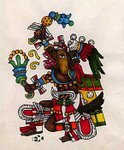
Scorpio

-
-

-
---------Escorpión

El alacrán
---en sus ojos de ópalo
---guarda los secretos
---del agua inmóvil.
Eleva, tenaz, su cola de hierro
y su aguijón de topacio
refleja las luces rojas de Marte,
---las luces obscuras de Plutón.
Se esconde detrás del palo erecto,
------en la cueva húmeda;
y sabe los secretos del alma.


----------------© Rafael Jesús González 2012


----------------Scorpio

The scorpion
-----in its opal eyes
-----guards the secrets
-----of the immobile water.
It tenaciously raises its tail of iron
& its topaz sting reflects
----the red lights of Mars,
----the dark lights of Pluto.
It hides behind the erect pole,
---in the moist cave;
it knows the secrets of the soul.


-----------------© Rafael Jesús González 2012
-
-

Friday, October 12, 2012

Día de la raza/Columbus Day


-
El 12 de octubre es fiesta conocida en varias regiones y épocas por muchos nombres: Día de Colón, Día del descubrimiento, Día de la hispanidad, Día de las Américas, Día de la raza, Día de los pueblos indígenas.

En México en 1928 a la insistencia del filósofo José Vasconcelos, entonces Ministro de Educación, se le nombró Día de la Raza, denominación de la Unión Ibero-Americana en 1913 para declarar una nueva identidad formada del encuentro de los Españoles y los indígenas de las Américas. En 1902 el poeta mexicano Amado Nervo había escrito un poema en honor del Presidente Benito Juárez (indio zapoteca) que recitó en la Cámara de Diputados, titulado La Raza de Bronce alabando a la raza indígena, título que más tarde en 1919 el autor boliviano Alcides Arquedas daría a su libro. El bronce (metal noble fundido de varios metales) llegó a ser metáfora del mestizaje. Según el pensar de Vasconcelos una Raza Cósmica, la raza del porvenir, es la raza noble que se forma en las Américas a partir del 12 de octubre de 1492, la raza del mestizaje, un amalgama de las razas indígenas de las Américas, de los Europeos, los Africanos, los Asiáticos, las razas mundiales — en una palabra, la raza humana compuesta de una mezcla de todas las razas que Vasconcelos denominó la Raza Cósmica.


Pero no se puede ignorar que esta raza ideal se forma a gran costo de los pueblos indígenas Americanas (y de la gente africana traídos aquí como esclavos). Desde 2002, en Venezuela se le llama a la fiesta Día de la Resistencia Indígena.

Sea como sea, por cualquier nombre que le demos, de cualquier modo que la cortemos, es la misma torta — la fecha conmemora la llegada de los Europeos a América (que para ellos era un “nuevo mundo”), no una visita sino una invasión, un genocidio, subyugación de las gentes de ese “nuevo mundo” que hoy conocemos por el nombre de un cartógrafo Europeo que apenas pisó el suelo sagrado de los continentes que llevan su nombre. Lo que marca la fecha es una continua colonización, explotación, abuso, ultraje de los pueblos indígenas de las Américas que escasamente ha menguado, que ha persistido estos quinientos años y más.


Bien se le pudiera nombrar Día de la Globalización. A partir de ese día se comprueba concreta y definitivamente que la Tierra verdaderamente es redonda, una esfera, una bola, un globo. Y desde esa fecha se les trata imponer forzosamente a las gentes indígenas del “nuevo mundo” una cosmología, actitud bastante extraña (a mi modo de ver, equivocada) hacia a la vida, hacia a la Tierra, hacia a la economía, hacia a lo sagrado, hacia al ser humano mismo — una sola verdad estrecha e intolerante, un desdén rapaz hacia la Tierra vista solamente como un recurso para explotarse, un concepto del progreso difícil de distinguir de la codicia y el hambre del poder.

La causa de los indígenas clama por justicia: se les sigue robando sus tierras y terrenos, se los destruyen por sus valiosas maderas y minerales; sus creaciones agrícolas, tal como el maíz y la papa, que han salvado del hambre a gran parte del mundo, se modifican al nivel molecular y se controlan por corporaciones rapaces; sus medicinas tradicionales se patentan por esas mismas corporaciones; el agua sagrada misma se privatiza y se les roba; aun no se les respeta el derecho a sus creencias y culturas. Aun poniendo al lado la justicia, todos deberíamos aliarnos a las gentes indígenas de las Américas (y del mundo entero) en su resistencia contra tal abuso porque lo que los amenaza a ellas nos amenaza a todos en el mundo entero — y a la Tierra misma. Tienen muchísimo que enseñarnos acerca de una relación sana del hombre con la Tierra.

En una Tierra, mucho más chica y frágil de lo que imaginábamos, nos encontramos en plena globalización y pugna contra la imposición de un capitalismo desenfrenado y del fascismo, su lógica extensión, que lo acompaña. Sigue la resistencia indígena que jamás ha cesado durante estos cinco siglos y algo a pesar de una represión brutal y ahora todos nosotros de la raza cósmica de mera necesidad debemos aliarnos a su lucha, pues esa lucha es nuestra de todos si hemos de sobrevivir en la Tierra, bendita madre de nuestra estirpe, la estirpe de la raza humana — y de toda nuestra parentela los otros animales, las plantas, los minerales. En la Tierra redonda y sin costura son ficticias las fronteras y lo que amenaza a unos nos amenaza a todos. Pensar al contrario no es solamente inmoral sino locura.

Berkeley, California, 12 de octubre 2007


© Rafael Jesús González 2012
 -
-
-


-October 12 is a feast-day known in various regions and times by many names: Columbus Day, Discovery Day, Hispanic Culture Day, Day of the Americas, Day of the Race, Day of the Indigenous Peoples.

In Mexico in 1928 at the insistence of the philosopher José Vasconcelos, then Minister of Education, it was named Día de la Raza (Day of the Race), denomination of the Iberian-American Union in 1913 to declare a new identity formed by the encounter of the Spaniards with the native peoples of the Americas. In 1902, the Mexican poet Amado Nervo had written a poem in honor of the President Benito Juárez (a Zapoteca Indian), which he read in the House of Representatives, titled La Raza de Bronce (Race of Bronze) praising the indigenous race, title which later in 1919 the Bolivian author Alcides Arquedas would give his book. Bronze (noble metal amalgamated of various metals) came to be metaphor for mestizaje (the mixing of the races.) According to the thinking of Vasconcelos, a Cosmic Race, the race of the future, is the noble race that is formed in the Americas since October 12, 1492, the race of mestizaje, an amalgam of the indigenous races of the Americas, the Europeans, the Africans, the Asians, the world — in a word, the human race made of a mixture of all the races which Vasconcelos called the Cosmic Race.


But that this race is formed at great cost to the indigenous American peoples (and to the African peoples brought here as slaves) cannot be ignored. Since 2002, in Venezuela the feast-day is called Día de la Resistencia Indígena (Day of Indigenous Resistance.)

Be that as it may, by whatever name we give it, however way we cut it, it is the same cake — the date commemorates the arrival of the Europeans to America (which for them was a “new world”), not a visit but an invasion, a genocide, a subjugation of the peoples of that “new world” which we know today by the name of a European cartographer who scarcely set foot on the sacred ground of the continents that bear his name. What the date marks is a continuous colonization, exploitation, abuse, outrage of the indigenous peoples of the Americas that has scarcely lessened, that has persisted these five-hundred and some years.

It could well be called Day of Globalization. Since that date, the Earth is concretely, definitively proven to be truly round, a sphere, a ball, a globe. And from that date is imposed by force upon the indigenous American peoples a quite strange (in my view, mistaken) cosmology, attitude toward life, toward the Earth, toward economics, toward the sacred, toward the human being him/herself — a single truth narrow and intolerant, a rapacious disdain toward the Earth seen only as a resource to be exploited, a concept of progress difficult to distinguish from greed and the lust for power.

The cause of the indigenous peoples screams for justice: their lands, their fields continue to be stolen from them, destroyed for their valuable woods and minerals; their agricultural creations, such as maize and the potato, which have saved a great part of the world from famine, are modified at the molecular level and controlled by rapacious corporations; their traditional medicines are patented by those same corporations; sacred water is privatized and stolen from them; even their right to their own beliefs and cultures is not respected. Even putting justice aside, we should all ally ourselves with the indigenous peoples of the Americas (and of the entire world) in their resistance against such abuse because what threatens them threatens us all throughout the whole world — and the Earth itself. They have a very much to teach us about a healthy relationship of humankind with the Earth.

In an Earth much smaller and more fragile than we imagined, we find ourselves in full globalization and struggle against the imposition of an unbridled capitalism and the fascism, its logical extension, that accompanies it. The indigenous resistance that has never ceased these five centuries and some continues in spite of a brutal repression and now all of us of the cosmic race, of pure necessity, must align ourselves with their struggle, for that struggle is ours if we are to survive on the Earth, holy mother of our race, the human race — and of all our relations, the other animals, the plants, the minerals. On the round, seamless Earth all borders are fictitious and what threatens one threatens all. To think otherwise is not only immoral but insane.


Berkeley, California, October 12, 2007

© Rafael Jesús González 2012


-
-

Saturday, September 29, 2012

full moon: Reading the Sonnets by Moonlight

-
Leyendo los sonetos a la luz de la luna


Probando para medida
los versos del hijo del guantero,
guantes de cabritilla o seda
para acariciar la luna
o guantes de piel de jabalí
para coger un cometa en vuelo,
la luna fría e indiferente al toque
se eleva para consolar o mofarse
de esas extravagancias del corazón
que llamamos amor.


---------------------------© Rafael Jesús González 2012


Reading the Sonnets by Moonlight


Trying for fit
the verses of the glover's son,
gloves of kid or silk
to caress the moon
or boar skin gloves
to catch a comet in its flight,
the moon, cold & indifferent to touch,
rises to comfort or to mock
those vagaries of the heart
that we call love.


--------------------------------© Rafael Jesús González 2012


-