Friday, June 25, 2021

SPACES: OAKLAND, Oakland City Hall & Frank H. Ogawa Plaza, July 9, 10, 11 and 16, 17, 18

-


Coming to you live and direct this July!

It is with great joy and excitement that I'm writing to invite you to SPACES: Oakland, which will be taking over the gorgeous City Hall of Oakland and Frank H. Ogawa Plaza July 9, 10, 11, 16, 17 & 18SPACES is an immersive experience that merges contemporary performance and the ancient art of storytelling, and is created and performed with the local community that gives Oakland its life and identity. 


All info about the show can be found HERE.


I am truly humbled by the wonderful team of Oakland artists and residents that has gathered around this project, and can't wait to share this piece with you.

Simón Adinia Hanukai

PS: stay tuned for SPACES: Saint-Denis happening this September/October! 


GET YOUR TICKETS 

____________________________________________________

Your Physical & Emotional Safety is Important!

SPACES isn't a "traditional" performance, but an experience that will require your full engagement: you walk, sit, stand, move, and possibly connect with friends and strangers in a pressure-free environment.

It has been a while since all of us have ventured out to experience live performance. That is why, in order for you to be and feel safe, our team is working closely with the Oakland City Hall staff to have the appropriate measures in place: the space is very large, we limit audience size to 80, and require that all audience members wear a mask. In addition, all of our artists and crew, and the vast majority of our storytellers are vaccinated. Artists and storytellers will only remove their masks when at a safe distance from the audience.

Guests will receive an email with an up to date protocol in the days prior to attending the performance.


The first iteration of the SPACES project was commissioned by the 2017 Harlem Arts Festival. The piece was presented at the historic Mount Morris Ascension Presbyterian Church in the heart of Harlem, and was developed with wonderful local artists and storytellers. Witnesses of that piece urged us to continue the project, which has now been developed into a larger multifaceted initiative. SPACES is our antidote to the division our society has been experiencing, and a catalyst for healing, both locally and internationally.


Photo Credits:

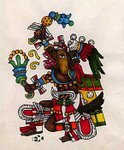
* Top: Photo features SPACES: Oakland dancers Sarah Crowell, Rashidi Omar & Rose Huey.

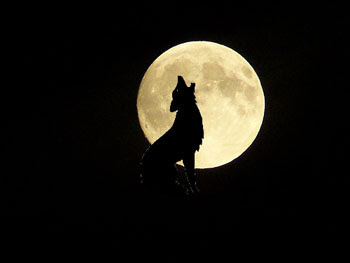
Middle: Photo features SPACES: Oakland storytellers Rafael Jesús González.

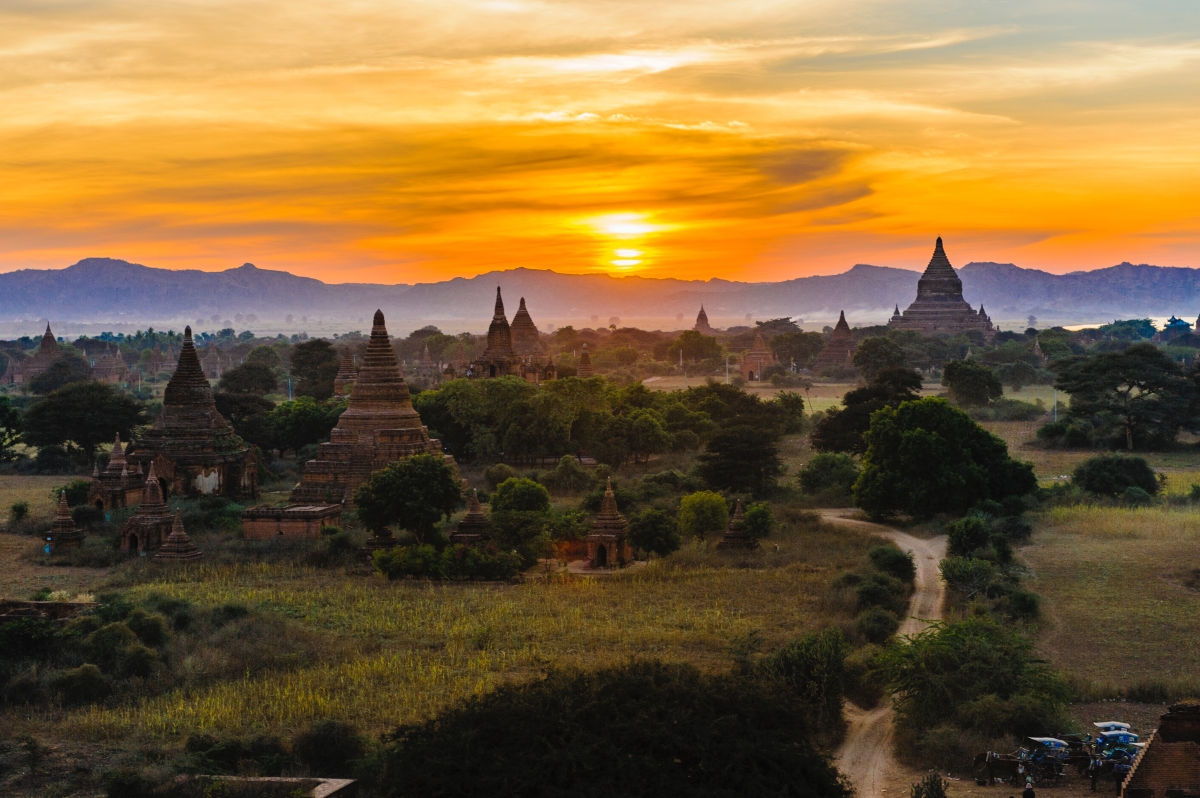
* Bottom: Photo features SPACES: Oakland DJ Dion Decibels, and musicians Christelle Durandy & Mena Ramos.

All photos taken by Layeelah Muhammed.


-

-

Thursday, June 24, 2021

full moon: The Moon Pulls the Song

 
-

La luna jala el canto

La luna del desierto
le jala desde muy hondo
el canto largo 
del coyote.


Ese canto largo del coyote
viene de las más hondas
raíces del chamizo,
de las raíces más hondas
de las piedras.


© Rafael Jesús González 2021


The Moon Pulls the Song

The desert moon
pulls from very deep
the long song
of the coyote.


That long song of coyote
comes from the deepest
roots of the Chamizo,
from the deepest roots
of the stones.


© Rafael Jesús González 2021


-


Monday, June 21, 2021

Cancer, Summer Solstice

  -

Father Sun rises to his zenith as a plague ravishes the world and Mother Earth is in a high fever. We wake and see that millennia of the patriarchy has created a system that is not viable, that it disturbs the health of the Mother and threatens human life. There is a systemic sickness in our world.Our prayer for the Summer Solstice is for our healing. 

But also there is hope in the resistance that rises from what is best in the people: compassion, respect for justice, for democracy, a reverence for truth, for the Earth, for life. Herein lie our hopes for healing. The light of love must prevail. 


El Padre Sol se eleva a su cenit a la vez que una plaga arraza el mundo y la Madre Tierra tiene fiebre alta. Nos despertamos y vemos que milenios del patriarcado ha creado un sistema que no es viable, que perturba la salud de la Madre y amenaza la vida humana. Hay una enfermedad sistémica en nuestro mundo. Nuestro rezo para el solsticio veraniego es por nuestro sanar. 

Pero también hay esperanza en la resistencia que surge de lo que es lo mejor en el pueblo: la compasión, el respeto a la justicia, veneración por la verdad, por la Tierra, la vida. En esto están nuestras esperanzas de sanar. La luz del amar tiene que triunfar.
-


Summer Solstice & Cancer 


-
--

---------
Cáncer


El cangrejo anhela,
al fin del largo día,
arrancar del cielo
esa moneda de plata fría
que es la luna.
---Sus ojos son cuentas de rubí
---y en las entrañas
---guarda una perla sensitiva
que anhela llevar muy hondo,
---------------------muy hondo
al punto cardinal del agua,
---al fondo primordial del mar.


--------------© Rafael Jesús González 2021


-----------Cancer


The crab longs,
at the end of the long day,
to tear from the sky
that coin of cold silver
that is the moon.
-----Its eyes are ruby beads
-----& in its entrails
-----it keeps a sensitive pearl
which it longs to carry very deep,
----------------------------very deep
to the cardinal point of the waters,
---the primordial depths of the sea.


----------------------© Rafael Jesús González 2021


-


Saturday, June 19, 2021

Juneteen

 -


A Juneteen gift:


Juneteen marks the date in 1865, two.  and a half years after the Emancipation Declaration, that more than 250,000 slaves in Texas were told that they were free with "absolute equality of personal rights and rights of property between former masters and slaves . . ." — a Texas holiday that has become national and a promise that up to the present has not been fulfilled.

Today, Juneteen takes on greater significance in the bloom of the "Black Lives Matter" movement. And for us Mexicans, Chican@s, Raza, Latin@s there is much in the movement that speaks to us, for in the lexicon of racism "brown" is but a shade of "black." For us in or from Texas, murder of our people by the Texas Rangers many of whom belonged to the Ku Klux Klan (as I suspect do many of them today) is part of our history. The Texas Rangers' and other law-enforcement's complicity in the persecution and torture of immigrants on the Texas border today is but a continuation of history. The "rinche" (roughly equivalent to "pig" in the jargon of the 60s) is part of our Mexican Texas history.

Nationally Latin@s make up 17% of of the population but suffer 23% of all searches and almost 30% of arrests. In 2016, 16% of the 585 killings by police were Latin@s; 25% were Black. Since POTUS 45, the figures have increased certainly. In California, between 2016 and 2018, where Latinos constitute 39% of the population, 46% of fatal shootings by police were Latino victims, second only to the murder of our Black brothers and sisters. Our pain, our oppression are shared.  

If there is one thing that we must learn from the CoronaVirus plague it is that we are all in this together, and together we must wage our revolution — black, brown, red, white, yellow, all colors of the rainbow. We are all, brothers and sisters all, besieged by three plagues simultaneously, world-wide: that of the CoronaVirus and that of fascism and that of climate change.

Ours must truly be a revolution, radical, going to the roots: the millennia-old patriarchy must come to an end; the Era of the Warrior must give way to the Age of the Healer; the economics of empire (capitalism) inseparable from violation of the Earth, slavery, racism, war cannot go on. The Earth of whom we are but a part cannot sustain the old order. The paradigm must change. It is up to us to do it.

Juneteenth was a day of jubilation for a promise not realized; let today be a day of revolution, of change, of fierce love and fierce healing, of reclaiming the promise.


Rafael Jesús González


Un obsequio de Juneteen:


Juneteen marca la fecha en 1865, tres años y medio después de la Declación de Emancipación, en la que se dijo a más de 250,000 esclavos en Tejas que eran libres con "absoluta igualdad de derechos personales y derechos de propiedad entre antiguos amos y esclavos" — una fiesta patria en Tejas que se ha convertido en fiesta patria nacional y una promesa que hasta el presente no se ha cumplido.

Hoy, Juneteen adquiere mayor importancia en el florecer del movimiento "Black Lives Matter" ("Las vidas negras importan.") Y para nosotros los mexicanos, chican@s, Raza, latin@s hay mucho en el movimiento que nos llama porque en el léxico del racismo "café" no es más que un matiz de "negro." Para nosotros en o de Tejas el asesinato de nuestra gente por los Texas Rangers (Guarda Tejana), muchos de los cuales pertenecían al Ku Klux Klan (como sospecho que hacen muchos de ellos hoy) es parte de nuestra historia. La complicidad de los Texas Rangers y otros oficiales de la ley en la persecución y tortura de inmigrantes en la frontera de Tejas hoy en día no es mas que una continuación de la historia. El "rinche" (más o menos equivalente al "pig" en la jerga de los años 60) es parte de nuestra historia mexicana en Tejas.

A nivel nacional, l@s latin@s representamos el 17% de la población pero sufrimos el 23% de todos los registros y casi el 30% de los arrestos. En 2016, el 16% de los 585 asesinatos cometidos por la policía fueron de latin@s; el 25% fueron de negros. Desde Pres.EE.UU. 45 las cifras seguramente han aumentado. En California, donde l@s latin@s hacemos el 39% de la población, el 46% de los disparos fatales de la policía fueron víctimas latinas solo superadas por el asesinato de nuestros hermanos y hermanas negros. Nuestro dolor, nuestra opresión son compartidos.

Si hay algo que debemos aprender de la plaga del coronavirus es que todos estamos juntos en esto, y juntos debemos hacer nuestra revolución — negro, café, rojo, blanco, amarillo, todo color del arco iris. Todos, hermanos y hermanas todos, estamos asediados por tres plagas simultáneamente, por el mundo entero: la del viruscoronado y la del fascismo y la del cambio climático.

La nuestra debe ser verdaderamente una revolución, radical, de corazón y espíritu que vaya a las raíces: el patriarcaardo milenario debe llegar a su fin; la Era del Guerrero debe ceder a la Era del(a) Sanador(a); la economía de imperio (el capitalismo) inseparable de la violación de la Tierra, la esclavitud, el racismo, guerra no puede continuar. La Tierra de la que somos sino un parte no puede sostener el viejo orden. El paradigma tiene que cambiar. Depende de nosotros hacerlo.

Juneteen fue un día de júbilo por una promesa no realizada; que hoy sea un día de revolución, de cambio, de amor feroz y curación feroz, de reclamar la promesa.


Rafael Jesús González


Monday, June 7, 2021

Voices From Burma: Poets of No Name reading Monday, June 14

 -

Voices From Burma: Poets of No Name


Bagan,Burma

Poetry and the spoken word have long been a powerful and popular means of communication in Burma (Myanmar). Poetry captures emotion, aspiration, hope and despair, speaking truth to power in the language of the people. Asia Society is working with the Iowa International Writing Program to organize an event on June 14th that shares the words of Burmese poets and speaks of the unspeakable tragedy of the Burmese poets who have been jailed or killed since the coup. We have asked a number of poets and writers, artists and actors, to say a few words about the plight of the poets in this conflict and the power of poetry, and then to read a poem or two by these Poets of No Name — a moniker chosen to safeguard their identity.

Moderator: Kenneth Wong

Participant readers (list in formation): 

Esther Dischereit

Rafael Jesús González 

Joy Harjo

So Jelinek 

Brenda Hillman

Meridel Rubenstein

David St. John 

Mati Shemoelof 

Preti Taneja

Kinga Toth


Wednesday, June 2, 2021

Story of a tree, June 2, 1996

-

Turnabout Woolsey & Regent Streets, Berkeley California
(photo by Margorie Winter)


In 1996 the Bateman Neighborhood Association in Berkeley was given a grant by the city to landscape the turnabout at the intersection of Woolsey & Regent Streets. Neighbors were asked to submit suggestions for the design. (Mine was that of a tree circled by a low cement wall covered with mosaic of broken tiles and crockery brought by the neighbors who would build the wall.) The design chosen was that of neighbors of many years, landscape-architect Denise Snaer-Gauder and her husband Konrad. It was to be of a tree ringed by large lichen and moss-studded boulders and native bunch grass.


On Sunday June 2, 1996, the boulders in place, the neighbors gathered around the turnabout to witness and celebrate the planting of the tree, a coastal oak sapling. I was asked to plant it ceremoniously with offerings and prayer. And so it was. That was twenty-five years ago.


                        Story of a Tree


Grandfathers, grandmothers the trees
have always been with us 
and us with them from our very beginning:
the ceiba of the Mayas; of the Nahuas
that of Tamoanchan; the tree of peace of the
     Iroquois;
the oak, ash of the Druids;
the bodhi tree of India; the pine of China; 
of Eden those of life and of knowledge.
 
When we cannot be with them in the forests, 
we bring them to our cities. So it is we
     brought 
a coastal oak sapling from the hills 
of this land of the Ohlone.
 
The neighbors gathered round the hole; 
sage was lit, the directions were called: 
red East; yellow South; black West; white
     North; 
green up, down, center 
where the Tree of Life is rooted.
 
Cast into the pit were clear quartz for
     harmony,
turquoise for vision, coral for love, 
mother of pearl for purity, jade for life. 
And so we planted the sapling, gems at its
     roots,
where two streets cross.
 
That was a quarter of a century ago.
Now it spreads its branches almost corner to
     corner,
guardian, counselor, giver of shade 
for those neighbors at the planting 
now grown old, their children now
with children of their own, the newcomers 
and their children for whom our tree
was always there — elder, host of birds,
Grandfather, grandmother, our tree.
    Blessed be. 


                                    © Rafael Jesús González 2021


En 1996, la Asociación de la Vecindad de Bateman en Berkeley recibió una subvención de la ciudad para diseñar la glorieta en el cruce de las calles Woolsey y Regent. Se pidió a los vecinos que presentaran sugerencias para el diseño. (El mío era el de un árbol rodeado por un muro bajo de cemento cubierto con mosaicos de azulejos y vajilla rotos traídos por los vecinos que construirían el muro). El diseño elegido fue el de los vecinos de muchos años, arquitecta paisajista Denise Snaer-Gauder y su esposo Konrad. Sería de un árbol rodeado de grandes rocas tachonadas de líquenes y musgo y de hierba nativa.


El domingo 2 de junio de 1996, las rocas en sitio, los vecinos se reunieron alrededor de la glorieta para presenciar y celebrar el plantar del árbol, un retoño de roble costero. Se me pidió que lo plantara en ceremonia con ofrendas y oración. Y así fue. Eso fue hace veinticinco años.


                Cuento de un árbol


Abuelos, abuelas los árboles
han estado siempre con nosotros 
y nosotros con ellos desde nuestros 
    principios:
la ceiba de los mayas; de los nahuas
el de Tamoanchan; el árbol de la paz de los 
    iroqueses;
el roble, fresno de los druidas;
el árbol bodhi de la India; el pino de China; 
de Edén los de la vida y el saber.
 
Cuando no podemos estar con ellos en los 
    bosques 
los traemos a nuestras ciudades. Así es que 
    trajimos 
un retoño de roble costeño de las lomas
de esta tierra del pueblo Ohlone.
 
Los vecinos rodearon el hoyo; 
se encendió salvia, se invocaron los rumbos: 
Este rojo; Sur amarillo; Oeste negro; norte 
    blanco; 
verde arriba, abajo, centro 
donde el Árbol de la Vida se arraiga. 
 
Se arrojaron al hoyo cuarzo claro para 
    armonía,
turquesa para visión, coral para amar,
madreperla para pureza, jade para vida. 
Y así plantamos el retoño joyas a sus raíces
donde se cruzan dos calles.
 
De eso ya hace un cuarto de siglo.
Ahora extiende sus ramas casi de esquina a 
    esquina,
guardián, consejero, dador de sombra 
para los vecinos ya hechos viejos 
presentes a su siembra; sus hijos, hijas ahora
con sus propios hijos, hijas; los recién 
    llegados 
y sus hijos, hijas para quienes nuestro árbol
ahí siempre estuvo — anciano, anfitrión de 
    pájaros,
abuelo, abuela, nuestro árbol.
            Bendito sea.


© Rafael Jesús González 2021


-

-

Monday, May 31, 2021

Memorial Day

 -


Celebrating Memorial Day (federal holiday in the United States for remembering and honoring persons who have died while serving in the United States Armed Forceslet us reflect on the fact that the United States is and has been in a constant state of war since its beginning. War, the single most cause of wasting of the Earth and creating climate change, wasting of lives (U.S. lives and even more so, lives in the countries we invade or in which we "intervene"), wasting of resources which neither the Earth nor we can afford.

And what democracy we have been struggling for since the inception of the United States is at stake. 


For sometime now, I have shared my thoughts during my visit to the Vietnam Memorial in 2006 as my way of honoring Memorial Day:


My first day in Washington D.C., in the heat of August, straight from the Museum of the American Indian, wearing my T-shirt picturing the Apache Jerónimo and his armed companions and reading, “Homeland Security, Fighting Terrorism since 1492”, I walk down the Mall, skirt the obelisk of the Washington Monument, down the reflecting pool, past the white marble Greek temple of the Lincoln Monument, to the Viet-Nam Wall —a pilgrimage to the memorial to “my war,” mine not because I fought in it, but because I fought against it — heart, mind, and soul.

My intent, a kind of penance, like saying the rosary, is to start at one end to the other and read each and every one of the 58,245 names, imagining a face, an age, a history, a life. I know it will be hard, but do not think it impossible (not one of the five million names of the Vietnamese dead are even alluded to.) I start with one name, John H. Anderson Jr. (PFC, 19 years of age, dead May 25, 1968, I later look up in the log), then several, increasing exponentially. It becomes more and more difficult to focus, the faces, the figures of families, lovers, tourists reflected moving against the mirroring black granite Wall is a distraction, their chatter, at times their laughter, an intrusion upon my meditations. As the Wall grows longer, rises higher and higher toward the center, the names crowd upon each other, pile up high and tight, at times difficult to distinguish, I do not know if for the numbers, the height, for the glare of the sun, or for the tears welling in my eyes. The names, the letters blur, run together.

I begin to skim, to let my attention chance upon a name, a Smith, a Cohen, a Bankowski, an O’Mally, a Chan, certainly a González here and there — every European and many another culture represented by a name. How came they to be  there, what history of need, what myth or dream of theirs, or of some recent or distant ancestor, brought them to be “American” and die in a war without sense or reason?

After a time my reading becomes cursory, I occasionally stop, kneel to pick up and read a letter, a note of testimonial — of love, of remembrance — left at the foot of the Wall by some surviving wife, sweetheart, mother, father, son, daughter, nephew, niece, friend. A flag here and there, a flower (mostly artificial, a few in soda bottles, wilting in the heat.)

My mind gradually becomes numb, at times almost hallucinatory, wonders —imagines seeing the name there of a moneyed coward with powerful political connections that now inhabits a white house not far away.


*  -----*-----  *

They say the dead live on for as long as they are remembered. How many of these names etched here are still remembered? A few people, holding scraps of paper against the black stone make rubbings. Most hurry by, the kids impatient to reach the end, the names picked there not interesting enough to hold their attention. The names.

Last year, Xochipilli, my men’s ritual group, in collaboration with the ‘Faces of the War Project,’ created an Ofrenda to the Victims of War, for the Días de los Muertos Community Celebration at the Oakland Museum of California. The ofrenda stood against the walls lined with the photographs and names of the U. S. soldiers dead in Iraq, the names, without the photographs, of Iraqi dead. The names, still fresh, living in recent memory. Another war, as senseless, as irredeemable as that of Viet-Nam. I am tired, my face wet with sweat and tears I do not bother to wipe away. Tourists look at me, respectfully keep their distance, look away. They sense that this, that of Viet-Nam, is my war; I do not know if my T-shirt gives them a clue as to why.


-----*----- *

I reach the other end of the Wall, Jessie Charles Alba (Sgt., aged 20, dead May 25, 1968, the middle of the war.)


*  -----*----- *

Retracing my way up the reflecting pool, I must climb the steps of the Lincoln Memorial from which Marian Anderson once sang, from which Martin Luther King, Jr. spoke of his dream. I stand before the colossal figure of Lincoln enthroned and read his words chiseled into the white marble to his right: “ . . . a government of the people, for the people, by the people . . .” A pious hope devoutly to be wished.


Washington D.C.; August 15, 2006


© Rafael Jesús González 2021


Celebrando el Día de Conmemoración (fiesta patria en los EE.UU. para recordar y honrar personas muertas en servicio en las fuerzas armadas de los EE.UU.) reflexionemos sobre el hecho de que los Estados Unidos está y ha estado en estados de guerra constantes desde su principio. Guerra, la causa principal del derroche de la Tierra y criando cambio climático, derrochando vidas (vidas estadounidenses y aun más vidas en los países que invadimos o en que "intervenimos"), derrochando recursos que ni la Tierra ni nosotros podemos permitir. 

Y la democracia por la cual hemos luchado desde la incepción de los Estados Unidos está en riesgo. 

Hace ya tiempo que he compartido mi pensar durante mi visita al Monumento a Vietnam en 2006 como mi modo de celebrar el Día de Conmemoración:


El primer día en Washington D.C., en el calor de agosto, justo del Museo del Indio Americano, llevo mi camiseta con la imagen del apache Jerónimo y sus compañeros armados que lee, “Homeland Security, Luchando contra el Terrorismo desde 1492.” Camino por la alameda, el Mall, rodeo el obelisco del monumento a Washington, sigo la alberca, paso el templo griego de mármol blanco del monumento a Lincoln, al Muro de Vietnam — peregrinaje al monumento a “mi guerra,” mía no porque luché en ella, sino porque luché en oposición de ella — corazón, mente y alma.

Mi intención, un tipo de penitencia, como decir el rosario, es empezar de una punta a la otra y leer cada uno y todos los 58, 245 nombres, imaginándome un rostro, una edad, una historia, una vida. Sé que será difícil, pero no lo creo imposible (ni siquiera se alude ni a uno de los cinco millones de nombres de los vietnamitas muertos.) Empiezo con un nombre, John H. Anderson Jr. (PFC, 19 años de edad, muerto el 25 de mayo 1968, más tarde busco en la lista), luego varios, aumentando exponentemente. Se me hace más y más difícil enfocarme, las caras, las figuras de familias, amantes, turistas reflejados moviéndose contra el espejo del Muro de granito negro es una distracción, su parloteo, a veces su risa, una intrusión en mis meditaciones. A grado que el Muro se hace más largo, se eleva más y más alto hacia el centro, los nombres se amontonan uno sobre el otro, se amontonan alto y apretado, a veces difíciles de distinguir, no sé si por la cantidad, la altura, el relumbre del sol o las lágrimas que me llenan los ojos. Los nombres, las letras se borran, se corren una contra la otra.

Empiezo a pasar los nombres por en cima, dejar mi atención caer sobre un nombre u otro, un Smith, un Cohen, un Bankowski, un O’Mally, un Chan, indudablemente un González aquí y allá — toda cultura Europea y muchas otras representadas por un nombre. ¿Cómo llegaron a estar allí, que historia de necesidad, que mito o sueño suyo, o de algún antepasado reciente o lejano, los trajeron a ser “americano” y morir en una guerra sin sentido o razón?

Después de algún tiempo mi lectura se hace superficial, paro de vez en cuando, me arrodillo a levantar y leer una carta, una nota de testimonio — de amor, de recuerdo — depositada al pie del Muro por algún sobreviviente, esposa, novia, madre, padre, hijo, sobrino, sobrina, amigo. Una bandera aquí y allá, una flor (la mayoría artificiales, unas cuantas en botellas de refresco, marchitándose en el bochorno.)

La mente se me entume gradualmente, a veces casi halucinante, se desvía — imagina ver allí el nombre de un cobarde adinerado con conexiones políticas poderosas que ahora habita una casa blanca no lejos de aquí.

* ------*------ *
Dicen que los muertos viven mientras sean recordados. ¿Cuántos de los nombres  aquí grabados son aun recordados? Algunas personas, poniendo trozos de papel contra la piedra negra hacen borradores. La mayoría se apresuran, los muchachos impacientes a llegar al final, los nombres cincelados allí no lo suficiente interesantes para captarles la atención. Los nombres.

El año pasado, Xochipilli, mi grupo de hombres dedicado a la ceremonia, en colaboración con el ‘Proyecto Rostros de la Guerra’, montó una ofrenda a las víctimas de la guerra para la Celebración Comunitaria del Día de Muertos en el Museo de California en Oakland. La ofrenda se puso contra las paredes cubiertas de las fotografías y nombres de los soldados estadounidenses muertos en Irak, los nombres, sin fotografías, de muertos Iraki. Los nombres, aun frescos, vivientes en la memoria reciente. Otra guerra, tan insensata, tan irredimible como la de Vietnam. Estoy cansado, la cara húmeda de sudor y llanto que no me preocupo de limpiar. Me miran los turistas, respetuosamente guardan la distancia, alejan la mirada. Sienten que esta, la de Vietnam, es mi guerra; no sé si mi camiseta les sugiera por que.

* ------*------  *
Llego al otro extremo del Muro, Jessie Charles Alba (Sgt., 20 años de edad, muerto el 25 de mayo 1968, a mediados de la guerra.)

------*------  *

Retrazando mis pasos a lo largo de la alberca, me siento obligado a subir los escalones del monumento a Lincoln desde los cuales Marian Anderson una vez cantó, desde los cuales Martin Luther King, Jr. habló de su sueño. Paro ante la figura colosal de Lincoln entronizado y leo sus palabras cinceladas en el mármol blanco a su derecha: “. . . un gobierno del pueblo, para el pueblo, del pueblo . . .” Esperanza pía devotamente anhelada.
-
Washington D.C.; 15 de agosto 2006


© Rafael Jesús González 2021


-