Sunday, May 10, 2026

Mothers Day

-


                            Las Cobijas

                                    a Carmen González Prieto de González


Son olas las cobijas que me tejió mi madre;
sus manos las ondean,
manos jóvenes, uñas color, olor, forma de almendras;
manos maduras, fuertes, decisivas;
manos ancianas como arañas ciegas y precisas.
Cuenta y cuenta puntadas el gancho de la aguja,
cuentos de nunca acabar;
parece que crecen las cobijas,
                                                se alargan
y amenazan inundar la casa.

Son una mezcla de sarapes de Saltillo
y tablas huicholas suaves y flexibles
con franjas coloridas anchas y ondulantes.
En sus pliegues y dobleces
parecen desplegarse las leyendas de los soles,
los cuentos de las creaciones,
las historias de los mundos y los dioses.
Son telas, redes de mil colores
para atrapar los sueños como peces
en los mares obscuros de las noches.
Hechizos de mi madre, adivinanzas,
misteriosos criptogramas de sus pensares,
¿qué penas amenguaban, que temores?
¿Qué sueños, qué recuerdos, qué emociones
guiaban sus dedos veloces y precisos
contando puntadas, produciendo estas mareas
de estambres pavorreales?

Ya muerta, sus manos quietas bajo tierra,
en mis sueños siguen creciendo las cobijas
y en las noches de invierno
cuando la lluvia gris asota las ventanas,
aun me abriga con arcos iris
mi madre.


                                                Rafael Jesús González


(Siete escritores comprometidos: obra y perfil; Fausto Avendaño, director; Explicación de Textos Literarios vol. 34 anejo 1; diciembre 2007; Dept. of Foreign Languages; California State University Sacramento; derechos reservados del autor.)


Carmen González Prieto de González
1934


                                The Blankets 

                                           to Carmen González Prieto de González 
 

The blankets my mother knit for me are waves;
her hands stir them,
young hands, nails the color, smell, shape of almonds;
mature hands, strong & decisive;
old hands like spiders blind & precise.
The hook of the needle counts & counts stitches,
stories without end;
it seems the blankets grow,
                                            stretch,
& threaten to flood the house.

They are a cross between sarapes of Saltillo
& Huichol yarn paintings, pliant & soft
with wide & undulating colored bands.
In their pleats & folds
there seem to unfold the legends of the suns,
the creation stories,
the histories of the worlds & of the gods.
They are weavings, nets of a thousand colors
to trap dreams like fishes
in the dark seas of the nights.
Spells of my mother, riddles,
mysterious cryptograms of her thoughts;
what pains did they comfort, what fears?
What dreams, what memories, what feelings
guided her fingers fast & precise
counting stitches, producing these tides
of peacock yarns?

Now dead, her hands still beneath the earth,
in my dreams the blankets still grow
& in the winter nights
when the gray rain whips the windows,
my mother still covers me
with rainbows.


                                     Rafael Jesús González 


(Rhetorics of the Americas, 3114 BCE to 1012 CE; Baca, Damián & Victor Villanueva; Palgrave McMillan, New York 2010; author's copyrights)


-

Escribí este poema a mi madre poco después de haber ella muerto. Pero yo no necesito día especial para honrar y celebrar a mi madre; lo hago todos los días aunque ya por muchos años yacen sus huesos bajo tierra.  No ha pasado día que no piense en ella. 

Pero ya por costumbre se ha designado día para hacerlo. Y en estos días del fascismo especialmente recordemos a las madres que emigrando de sus paises de Centro y Sud América y todo el mundo a los EE.UU. se les arrebatan sus hij@s de los brazos; madres de Gaza/Palestina, y por el mundo entero sus niñ@s matados y muriendo de hambre torturados por guerra, sanciones crueles, regímenes tiranos demasiadas veces debidos a política estadoundense, a los estragos del capitalismo. Honremos las madres cuyos hij@s han sido muertos por la policía y el racismo sistémico del país. Y muy en especial honremos a nuestra madre de todos, la sagrada Tierra a quien hemos dañado y cuyo dolor somos nosotros mismos.

El Día de madres se celebra en los Estados Unidos el segundo domingo de mayo, y por el mundo entero en distintas fechas. Pero en todas, este día en el cual se le rinde veneración de corazón a la madre es a la vez pretexto para un sentimentalismo empalagoso que el comercio fomenta para vender tarjetas sacarinas, claveles sin aroma, y chucherías para aumentar las ganancias.

Recordemos el origen de esta fiesta relativamente moderna. El Día de Madres empezó después de la guerra civil de los Estados Unidos como protesta a la mortandad en esa guerra por las mujeres que habían perdido a sus hijos a la guerra. Tal fue el principio del Día de Madres anual propuesto por una madre. Brindemos de todo corazón nuestros homenajes a todas nuestras madres y las madres de todos y no caigamos en el sentimentalismo fácil sino dediquémonos a evitar el sufrimiento de toda madre (y sus hij@s): la pobreza, el hambre, el abandono, el desamparo, falta de educación, violencia, la guerra.

En nombre de tonantzin, pachamama, la santa Tierra, madre de la vida.

Rafael Jesús González

Y aquí el ruego de una madre de Israel

I wrote this poem shortly after her death. But I do not need a special day in which to honor and celebrate my mother; I do it every day though now for many years her bones lie beneath the earth. There has never been a day that I do not think of her. 

But custom has designated a day in which to do it.  And in these days of fascism we must especially remember the mothers who immigrating from their countries of Central and South America to the U.S. have their children taken from their arms, arrested, their families torn; mothers of Gaza/Palestine and worldwide, their children killed and starving, tortured by war, cruel sanctions, tyrannical regimes too often due to U.S. policy, the havoc of capitalism. Let us honor the mothers whose children have been killed by the police and the systemic racism of the country. And we must most especially honor our mother of us all, the sacred Earth whom we have harmed and whose hurt is we ourselves.

Mothers' Day is celebrated in the United States the second Sunday of May, and throughout the world on various dates. But in them all, this day in which reverence from the heart is rendered to the mother, is at the same time pretext for a cloying sentimentality that commerce foments to sell saccharin cards, odorless carnations, and expensive trinkets to increase profits.

We forget the origins of this relatively modern holiday. Mother's Day was started after the U.S. Civil War as a protest to the carnage of that war by women who had lost their sons to war. Such was the beginning of an annual Mothers' Day proposed by a mother. Let us render with a full heart our homage to our mothers and the mothers of everyone and let us not fall into facile sentimentality but dedicate ourselves to preventing the suffering of all mothers (and their children): poverty, hunger, abandonment, lack of shelter, lack of education, violence, war.

In the name of tonantzin, pachamama, the holy Earth, mother of all life.

Rafael Jesús González

And here the plea of a mother from Israel


Aquí la proclamación de 1870:

¡Levantémonos, entonces, mujeres de este día! ¡Levantémonos todas las mujeres que tengamos corazones, sea nuestro bautismo de agua o de miedo. Decid firmemente: No permitiremos que cuestiones de gran trascendencia sean decididas por organismos irrelevantes. Nuestros maridos no vendrán a nosotras, hediondos a carnicería, en busca de caricias y aplausos. Nuestros hijos no nos serán arrebatados para desaprender todo aquello que hemos logrado enseñarles sobre la caridad, la misericordia y la paciencia.

Nosotras las mujeres de un país seremos demasiadas tiernas de las de otro país para permitir que nuestros hijos sean entrenados a dañar a los suyos. Del pecho de la Tierra devastada una voz se alzará con la nuestra. Dice, “¡Desarmad, desarmad! La espada del homicidio no es la balanza de la justicia.”

La sangre no limpia nuestra deshonra ni la violencia indica posesión. Como los hombres han a menudo abandonado el arado y el yunque a la citación de la guerra, que las mujeres ahora dejen todo lo que se pueda dejar del hogar para un gran y fervoroso día de deliberación. Que se encuentren primero, como mujeres, para llorar y conmemorar a los muertos.

Que entonces solemnemente se aconsejen unas con la otras de modo que la gran familia humana pueda vivir en paz, cada quien llevando a su propio tiempo la empresa sagrada, no la de César, sino la de Dios.

En el nombre de la mujer y de la humanidad, fervorosamente pido que un congreso general de mujeres sin limites de nacionalidad sea designado y convocado en algún lugar determinado más conveniente y en el más cercano periodo consistente con sus objetivos, promover la alianza de las distintas nacionalidades, la resolución amigable de cuestiones internacionales, los grandes y generales intereses de la paz.

La sangre no limpia nuestra deshonra ni la violencia indica posesión. Como los hombres han a menudo abandonado el arado y el yunque a la citación de la guerra, que las mujeres ahora dejen todo lo que se pueda dejar del hogar para un gran y fervoroso día de deliberación. Que se encuentren primero, como mujeres, para llorar y conmemorar a los muertos.

Que entonces solemnemente se aconsejen unas con la otras de modo que la gran familia humana pueda vivir en paz, cada quien llevando a su propio tiempo la empresa sagrada, no la de César, sino la de Dios.

En el nombre de la mujer y de la humanidad, fervorosamente pido que un congreso general de mujeres sin limites de nacionalidad sea designado y convocado en algún lugar determinado más conveniente y en el más cercano periodo consistente con sus objetivos, promover la alianza de las distintas nacionalidades, la resolución amigable de cuestiones internacionales, los grandes y generales intereses de la paz.


Día de la Madre por la paz – por Ruth Rosen:

Honremos a la Madre con manifestaciones en las calles. 

La festividad comenzó con activismo; necesita ser rescatada del comercialismo e inanidades.

Cada año, la gente critica el comercialismo superficial del Día de la Madre. Pero ignorar a tu madre en este día sagrado es impensable. Y si eres madre, se supone que debes sentirte devastada si tus ingratos no te honran a menos un día del año. 

El día de la madre no siempre fue así . . . porque el Día comenzó como un día festivo que conmemoraba el activismo público de las mujeres, no como una celebración de la devoción de una madre hacia su familia.

La historia comienza en 1858 cuando una activista comunitaria llamada Anna Reeves Jarvis organizó los Días de Trabajo de las Madres en Virginia Occidental. Su objetivo inmediato era mejorar la salubridad en las comunidades de los montes Apalaches. Durante la guerra civil, Jarvis sacó a las mujeres de sus familias para que cuidaran a los heridos de ambos lados. Después convocó reuniones para convencer a los hombres de que dejaran sus hostilidades.

En 1872, Julia Ward Howe, autora del “Himno de batalla de la República” propuso un Día de la Madre por la Paz anual . . . comprometida con la abolición de la guerra . . . 

Durante los siguientes 30 años, los estadounidenses celebraron el Día de las Madres por la Paz el 2 de junio.

Muchas mujeres de clase media del siglo XIX creían que tenían una responsabilidad especial, como madres reales o potenciales, de cuidar de las víctimas de la sociedad y de convertir a Estados Unidos en una nación más civilizada. Desempeñaron un papel destacado en el movimiento abolicionista para acabar con la esclavitud. En las décadas siguientes, lanzaron campañas exitosas contra los linchamientos y fraude al consumidor y lucharon por mejores condiciones laborales para las mujeres y protección para los niños, servicios de salud pública y asistencia social para los pobres. Para las activistas, la conexión entre la maternidad y la lucha por la justicia social y económica parecía evidente.

En 1913 el Congreso declaró el segundo domingo de mayo como el Día de la Madre. Para entonces la creciente cultura consumista había redefinido con éxito a las mujeres como consumidoras de sus familias. Los políticos y empresarios abrazaron con entusiasmo la idea de celebrar los sacrificios privados hechos por cada madre. Como expresó sin rodeos la Revista de  Floristas, la revista especializada de la industria: “Esta es una fiesta que podía explotarse”. . . Desde entonces, el Día de la Madre se ha inflado hasta convertirse en una industria de miles de millones de dólares.

Los estadunidenses pueden venerar la idea de la maternidad y amar a sus propias madres pero no a todas las madres. Las madres pobres y desempleadas pueden disfrutar de las flores pero también necesitan cuidado infantil, capacitación laboral, atención médica, un salario mínimo más alto y licencia paternal remunerada. Las madres trabajadoras pueden disfrutar del desayuno en la cama pero también necesitan el tipo de asistencia gubernamental que brinda cualquier otra sociedad industrializada.

Con un poco de imaginación, podríamos restaurar el Día de la Madre como un día festivo que celebra el compromiso político de las mujeres en la sociedad. Durante la década de 1980 algunos grupos pacifistas se reunieron en los sitios de pruebas nucleares el Día de la Madre para protestar contra la carrera de armas. Hoy, nuestra mayor amenaza no son los misiles sino nuestra indiferencia hacia el bienestar humano y la salude de nuestro planeta.

Imagínate, si puedes, una Marcha Anual del Millón de Madres en la capital del país. Imagínate un Día de la Madre lleno de voces que exigen justicia social y económica y un futuro sostenible . . . el activismo público no excluye las expresiones privadas de amor y gratitud. (Tampoco impide que las personas expresen su agradecimiento durante todo el año).

Ruth Rosen es profesora de historia en la Universidad de California Davis.

Here is the original Mother's Day Proclamation from 1870, followed by a reminder of what the original intent of Mother's Day was from 'A history of Mother's Day' by a UC Davis historian:

Arise, then, women of this day! Arise all women who have hearts, whether our baptism be that of water or of fears! Say firmly: "We will not have great questions decided by irrelevant agencies. Our husbands shall not come to us, reeking with carnage, for caresses and applause. Our sons shall not be taken from us to unlearn all that we have been able to teach them of charity, mercy and patience.

We women of one country will be too tender of those of another country to allow our sons to be trained to injure theirs. From the bosom of the devastated earth a voice goes up with our own. It says "Disarm, Disarm! The sword of murder is not the balance of justice."

Blood does not wipe our dishonor nor violence indicate possession. As men have often forsaken the plow and the anvil at the summons of war, let women now leave all that may be left of home for a great and earnest day of counsel. Let them meet first, as women, to bewail and commemorate the dead.

Let them then solemnly take counsel with each other as to the means whereby the great human family can live in peace, each bearing after their own time the sacred impress, not of Caesar, but of God.

In the name of womanhood and of humanity, I earnestly ask that a general congress of women without limit of nationality may be appointed and held at some place deemed most convenient and at the earliest period consistent with its objects, to promote the alliance of the different nationalities, the amicable settlement of international questions, the great and general interests of peace.


Mother's Day for Peace - by Ruth Rosen:

Honor Mother with Rallies in the Streets.

The holiday began in activism; it needs rescuing from commercialism and platitudes.

Every year, people snipe at the shallow commercialism of Mother's Day. But to ignore your mother on this holy holiday is unthinkable. And if you are a mother, you're supposed to be devastated if your ingrates fail to honor you at least one day of the year.

Mother's Day wasn't always like this... because Mother's Day began as a holiday that commemorated women's public activism, not as a celebration of a mother's devotion to her family.

The story begins in 1858 when a community activist named Anna Reeves Jarvis organized Mothers' Works Days in West Virginia. Her immediate goal was to improve sanitation in Appalachian communities. During the Civil War, Jarvis pried women from their families to care for the wounded on both sides. Afterward she convened meetings to persuade men to lay aside their hostilities.

In 1872, Julia Ward Howe, author of the "Battle Hymn of the Republic", proposed an annual Mother's Day for Peace. Committed to abolishing war, Howe wrote: "Our husbands shall not come to us reeking with carnage.. Our sons shall not be taken from us to unlearn all that we have been able to teach them of charity, mercy and patience. We women of one country will be too tender of those of another country to allow our sons to be trained to injure theirs".

For the next 30 years, Americans celebrated Mothers' Day for Peace on June 2.

Many middle-class women in the 19th century believed that they bore a special responsibility as actual or potential mothers to care for the casualties of society and to turn America into a more civilized nation. They played a leading role in the abolitionist movement to end slavery. In the following decades, they launched successful campaigns against lynching and consumer fraud and battled for improved working conditions for women and protection for children, public health services and social welfare assistance to the poor. To the activists, the connection between motherhood and the fight for social and economic justice seemed self-evident.

In 1913, Congress declared the second Sunday in May to be Mother's Day. By then, the growing consumer culture had successfully redefined women as consumers for their families. Politicians and businessmen eagerly embraced the idea of celebrating the private sacrifices made by individual mothers. As the Florists' Review, the industry's trade journal, bluntly put it, "This was a holiday that could be exploited."... Since then, Mother's Day has ballooned into a billion-dollar industry.

Americans may revere the idea of motherhood and love their own mothers, but not all mothers. Poor, unemployed mothers may enjoy flowers, but they also need child care, job training, health care, a higher minimum wage and paid parental leave. Working mothers may enjoy breakfast in bed, but they also need the kind of governmental assistance provided by every other industrialized society.

With a little imagination, we could restore Mother's Day as a holiday that celebrates women's political engagement in society. During the 1980's, some peace groups gathered at nuclear test sites on Mother's Day to protest the arms race. Today, our greatest threat is not from missiles but from our indifference toward human welfare and the health of our planet.

Imagine, if you can, an annual Million Mother March in the nation's capital. Imagine a Mother's Day filled with voices demanding social and economic justice and a sustainable future,....public activism does not preclude private expressions of love and gratitude. (Nor does it prevent people from expressing their appreciation all year round.)

Ruth Rosen is a professor of history at UC Davis.


-


Monday, April 20, 2026

Taurus

    -
 -


-


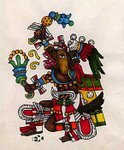
                Tauro

El toro de la tierra fija
lleva como un diamante
entre los cuernos
la estrella matutina.
    Su corazón de esmeralda
    oculta un valor firme
y al cuello lleva yugo de cobre
que lo une
                a la tierra
                a la estrella
                a lo infinito.


                    © Rafael Jesús González 2026


                 Taurus


The bull of the fixed earth
carries the morning star
like a diamond
between his horns.
    his emerald heart
    hides a firm worth
and at the neck he wears a copper yoke
that joins him
                        to the earth
                        to the star
                        to the infinite.


                                © Rafael Jesús González 2026


If Taurus 2026 is a pivotal year for growth, healing, and stabilization, marking the end of a chaotic, transformative, and often unpredictable period since 2018, it is up to us to make it so with the best Taurean, characteristics (grounded, persistent, lovers of beauty and pleasure) and bring stability to a world made lawless and tumultuous by the president of the U.S. empire mad with greed and power, narcissistic, stupid; his boot-licking cabinet of flunkies; and the fascistic Republican party that backs him. Forward, with Taurean bravery let us defend democracy, life, the Earth, and rescue ourselves from this madness.


Si para Tauro, el año 2026 es un año crítico de crecimiento, sanación y estabilización que marca el fin de un periodo caótico, transformador y, a menudo impredecible desde 2018, depende de nosotros hacerlo así, valiéndonos de las mejores características taurinas (serenidad, persistencia y amor por la belleza y el placer) para devolver la estabilidad a un mundo sumido en la anarquía y el tumulto a cause del presidente del imperio estadounidense —enloquecido por la codicia y el poder, narcisista y estúpido—, de su gabinete de lacayos lamebotas y del fascista Partido Republicano que lo respalda. ¡Adelante! con bravura taurina defendamos la democracia, la vida, la Tierra y rescatémonos de esta locura.


Sunday, April 5, 2026

Easter Sunday

     -

                   Ha resucitado


Cuentan que un hombre
tan amoroso y justo 
que muchos lo toman 
por benévolo dios 
fue muerto porque su enseñanza
tan amorosa y justa amenazaba
los meros cimientos del imperio
y que contra toda ley de la vida
tres días después resucitó,
cosa no inaudita en el mito
pero asombrosa aun.


Su enseñanza aun amenaza imperios
y muchos que atreven seguirla
son perseguidos y muertos
y la resurrección de él es nada
menos que nuestra revolución.


                                © Rafael Jesús González 2026


En un mundo gobernado por el odio 
el amar es revolucionario

  
In a world governed by hate, 
to love is revolutionary 


                He Is Risen


They tell that a man
so loving & just
that many take him
for benevolent god
was killed because his teaching
so loving & just threatened
the very foundations of empire
& that against all law of life
three days later resurrected,
not unheard of in myth
but wondrous still.


His teaching still threatens empires
& many who dare follow it
are persecuted & killed,
& his resurrection is nothing
less than our revolution.


                            © Rafael Jesús González 2026


--- 

Friday, April 3, 2026

'Good' Friday


                Enemigo del estado


El joven rabí rebelde llamó
a los humilde, a los que lamentan, 
a los amables, a los que desean justicia,
los piadosos, los de corazón limpio, 
los que hacen la paz, los perseguidos
por oponerse al mal.
Dijo, dar comer al hambriento, dar 
agua al sediento, dar la bienvenida
al extraño, abriga al desnudo,
visita al encarcelado, cuida al enfermo.
Ama, dijo, al vecino
como a ti mismo y ama a tus enermos.
Volcó las mesas de los banqueros 
en el templo. Habló sin pelos en la lengua.

A las autoridades, a los sacerdotes tapados, 
a los funcionarios del gobierno no les gustó.
Amenazaba al Impero. Y el Imperio 
lo clavó a una cruz
por ser enemigo del estado. 


                                                    Rafael Jesús González


Enemy of the State


The young rebel rabbi called to him
the humble, those who mourn, 
the gentle, those who want justice,
the merciful, the pure of heart, 
the peacemakers, the persecuted
for standing against evil.
He said, feed the hungry, give
water to the thirsty, welcome
the stranger, clothe the naked,
visit the jailed, care for the sick.
Love, his said, your neighbor
as yourself, and love your enemies.
He upset the tables of the bankers
in the temple. He minced no words.

The authorities, the up-tight priests, 
the government officials did not like it.
It undermined the Empire. And the empire
nailed him to a cross
as enemy of the state. 


                                                   Rafael Jesús González


I go at sunrise to the ‘Good Friday’ Interfaith Witness at the Livermore Nuclear Laboratory gate held every year since 1983. I will read “Enemigo del estado/Enemy of the State.” The Summer Solstice 1983, the International Day of Nuclear Disarmament, I and 1,000 others were arrested for blocking the gates of the laboratory in protest against nuclear weapons.

Today, our protest is ever more important in light of the illegal disastrous war on Iran waged by the criminal fool that governs the nation bringing the world closer to a nuclear holocaust made even more likely when the button of nuclear arsenal is in the “hands” of Artificial Intelligence devoid of emotion, compassion, human judgement. No Nikolai Ignatiev.

It is a war cheered on by the Christian Nationalists who violate every teaching of the holy prophet that they claim to worship whose crucifixion by the Roman Empire we commemorate today. They long for the “rapture,” Apocalypse, the end of the world envisioned by the hallucinated prophet of Patmos

On this day, we contemplate the death of Yeshua of Nazareth and his teachings that he died for, the teachings that would save us, that make our Beloved Community and our revolution.
Voy muy de madrugada al Acto Interreligioso de Viernes Santo frente a la entrada del Laboratorio Nuclear de Livermore, una vigilia que se celebra cada año desde 1983. Allí leeré «Enemigo del estado/Enemy of the State». En el solsticio de verano de 1983 —Día Internacional del Desarme Nuclear—, otras mil personas y yo fuimos arrestados por bloquear las puertas del laboratorio en protesta contra las armas nucleares.

Hoy, nuestra protesta cobra una importancia aún mayor ante la guerra ilegal y desastrosa contra Irán emprendida por el bobo criminal que gobierna la nación y que acerca al mundo a un holocausto nuclear, que se vuelve todavía más probable cuando el botón del arsenal nuclear está en las «manos» de una Inteligencia Artificial que carece de emociones, compasión y juicio humano. Ningún Nikolai Ignatiev.

Es una guerra aplaudida por los nacionalistas cristianos que violan todas las enseñanzas del santo profeta al que dicen venerar, y cuya crucifixión a manos del Imperio Romano conmemoramos hoy. Anhelan el «Rapto», el Apocalipsis, el fin del mundo tal como lo imaginó el profeta alucinado de Patmos

En este día, contemplamos la muerte de Yeshúa de Nazaret y las enseñanzas por las que murió: aquellas enseñanzas que nos salvarían, que dan forma a nuestra Amada Comunidad y a nuestra revolución.


Wednesday, April 1, 2026

full moon; April Fools Day


  -
                Loco Poeta


El poeta, loco que es
camina a la orilla
del precipicio del significado
buscando una verdad más elevada
esperando que las palabras
como abejas rumbo a la colmena
lo guié a ella. 
El costal que lleva en una vara
está lleno de palabras y trucos
más de lo que jamás usará. 
La rosa no es sólo una rosa
sino metáfora de ¿qué?
Lilas a la puerta son abril.
Soñador, visionario, loco
el perro del hecho mundano
le muerde los talones,
le desgarra los calzones, 
le expone el culo al aire
recordándole de que para lo que
busca no hay palabra que le cuadre. 


                            © Rafael Jesús González 2026

Interlitq, Oct. 18. 2023; derechos reservados del autor


                Fool Poet


The poet, fool that he is
walks the edge
of the precipice of meaning 
looking for a higher truth
hoping that words
like homing bees 
will lead him to it. 
The bag he carries on a stick
is full of words & tricks
more than he will ever use.
The rose is not just a rose
but a metaphor for what?
Lilacs by the door is April. 
Dreamer, visionary, fool,
the dog of mundane fact
snaps at his heels,
tears his pants,
exposes his butt to the air
reminding him that for what
he seeks no word can fit.


                    © Rafael Jesús González 2026

Interlitq, Oct. 18. 2023; author’s copyrights 


El Día del inocente, día del tonto (lunático?) es un día en que se da licencia para hacer bromas y engañar uno al otro y se celebra en muchas partes del mundo. Hay humor en hacer a alguien tonto y cierta humillación en que lo hagan tonto a uno. Es cosa humana. En este día las bromas, los trucos que se hacen entre familia, entre amig@s, entre niñ@s son pura diversión.

Hay tantas palabras para una persona falta o escasa de entendimiento o de razón, fácil de engañar: inocente, crédulo, simple, loco, necio, tonto, bobo, estúpido, idiota, imbécil y tantas otras, cada una con su distinto matiz. ¿Qué llamarles a nuestr@s herman@s que eligen a un reconocido corrupto embustero criminal que nos gobierne? ¿Y los que no votan?  Nos reunimos con nuestra loca alegría en reunion cerca de nosotros el sábado 28 de marzo y clamamos por la Tierra, la justicia, la paz 
contra el demente.

En tiempos pasados había el tonto oficial, el bufón de la corte con gorra con cascabeles, el chistoso cuyo cargo e ingenio le diera licencia, con riesgo de perder gorra y cabeza, para mofarse de la corona y decir verdad al poder. Fuera de la corte, se hicieron nuestros payasos. (Por supuesto, debajo de la máscara puede esconderse el mal y la tragedia, o asumiendo el papel de tonto, algunos, como San Simeón el Loco y Francisco de Asís, nos hacemos santos.)
Y luego hay el poeta que por hablar con la rosa y el roble, el río y la libélula, el gorrión y el lobo se le ha llamado inocente, bobo y se le ha acusado de profeta y tonto por decir verdad al poder y arriesgar exilio y muerte. No hay poca de locura divina en los intentos de la poesía de capturar verdades inefables en una red de palabras con la esperanza de que algo de luz pueda escapar la malla, lo que en sí mismo pueda ser un truco inspirado. No todo loco es poeta pero todo poeta algo de loco tiene. Pero al fin y al cabo, la esencia de todo arte es jugar. Jugar en serio.

Hay bobos y hay bobos. Está el bobo inocente y el bobo gravemente peligroso tal como el 47º presidente de los Estados Unidos de América que lleva nombre de payaso “Trump” que pegaría por todas partes que pudiera, por capricho desata una guerra desastrosa y pone en riesgo al mundo entero y a la Tierra. Peligrosos bobos el partido que lo apoyan. 

Y así con la luna llena en Libra, celebremos el Mes Nacional de la Poesía —abril, al que un poeta llamó cruel— y, neciamente, seamos, cantemos y hagamos nuestra revolución contra las fuerzas fatales que nos gobiernan.

April Fools’ Day, day of the simpleton (lunatic?) is a day in which license is given to play pranks and deceive one another and is celebrated in many parts of the world. There is humor in making a fool of someone and a certain humiliation in being made a fool of. It is a human thing. On this day, the pranks, the tricks played in the family, among friends, among children are pure fun.

There are so many words for a person who lacks good sense or judgment, easy to deceive: innocent, credulous, simpleton, lunatic, stupid, moron, idiot, imbecile, and so many others, each with its distinct nuance. What to call our brothers, sisters who elect a known corrupt liar and criminal to rule us? And those who do not vote? We came together with our foolish joy at a gathering near us on Saturday, March 28  and spoke out for the Earth, for justice, for peace against the madman.

In times past there was the official fool, the court jester with a cap with bells, the buffoon, the joker whose office and wit gave him license, at risk of losing cap and head, to mock the crown and speak truth to power. Outside the court, they became our clowns. (Of course beneath the mask could lurk evil and tragedy, or taking on the role of fool, some, like St. Simeon the holy fool of God and Francis of Assisi, we become saints.)

And then there is the poet who for talking to the rose and the oak, the river and the dragonfly, the sparrow and the wolf has been called innocent, simpleton, and has been accused of prophet and fool for speaking truth to power. There is no little of divine foolishness in poetry’s attempts to capture ineffable truths in a net of words hoping some light may come through the mesh— which may itself be an inspired trick. Not all fools are poets but all poets have something of the fool. But then, the essence of all art is fooling around. Serious fooling around. 

There are fools and there are fools. There is the innocent fool and the gravely dangerous fool such as the 47th president of the United States of America who bears a clown’s name “Trump” that he would plaster everywhere he can, on a whim starts a disastrous war, and puts the entire world and the Earth at risk. Dangerous fools the Party that supports him.

But, with the full moon in Libra, let us celebrate National Poetry Month, April which a poet called cruel, and foolishly be and sing and make our revolution against the deadly forces that govern us. 


Tuesday, March 31, 2026

Farm Workers Day


Benditos sean l@s trabador@s
del campo

           
 para United Farmworkers


Para que haya comida en la mesa’
maíz, frijol, calabaza.
se necesita sol y tierra, aire y agua
    y manos que las siembren, 
        las rieguen, las poden, 
    las cultiven, las cosechen.
Se necesitan cuidado, labor 
al frio de la madrugada,
    al calor de medio día,
        al escurecer de la tarde.
Sin los trabajadores(as)
del campo, sin su cuidar
de la semilla, la hoja, el fruto,
sin el toque de sus manos,
sin el sudor de sus frentes
que bendigan las plantas
    no hay sustento
        no hay vida.
Es sagrado el trabajo del campo.
Benditos sean sus trabador@s.


                                Rafael Jesús González


Blessed be the workers of the field

        
for the United Farmworkers


For there to be food on the table,
corn, beans, squash, 
sun & earth, air & water are needed
    & hands to plant them, 
        water them, prune them, 
    cultivate them, harvest them.
Care, labor is needed 
in the cold of dawn,
    in the heat of midday,
        in the dusk of evening.
Without the worker
of the field, without their care
of the seed, the leaf, the fruit,
without the touch of their hands,
the sweat of their brows
to bless the plants
    there is no sustenance
        there is no life.
The work of the field is sacred.
Blessed be its workers.


                                Rafael Jesús González


Farm Workers Day


Saturday, March 21, I was asked to open with a poem the showing of Laurie Coyle’s film ‘Adios Amor’ on María Moreno, the little-known story of one of the Farm Workers movement’s most powerful organizers, at the César Chávez branch of the Oakland Public Library. 

I had planned to read ‘A fines de abril/At the End of April’, my elegy to Cézar Chávez. But on March 19, the story broke on allegations of Chávez’s sexual abuse of women and girls. Among his accusers was Dolores Huerta, co-founder of the United Farm Workers of America. I was shocked, devastated, wounded. It was the debacle of one of my heroes whom I revered almost as much as I do Martin Luther King Jr. Indeed he was the hero to a great many, to a culture, the nation, the world. His name was inseparable from a whole movement for justice, especially important to us Chicanos, ‘Mexican-Americans’ if you will. He was our hero, our saint. He had become the face of justice, champion of the poor, the dispossessed, the oppressed victims of unbridled capitalism. His disgrace wounds deeply and broadly. 

Harold Meyerson in his article “Cesar Falls” in The American Prospect, quotes Bertolt Brecht’s play ‘Galileo’ in which the scientist recants as heresy that the Earth orbits the sun rather than suffer torture, and a disciple, Andrea, tells him, “Unhappy the land that has no heroes.” To which Galileo responds, “No, Andrea. Unhappy the land that needs a hero.” It is something that I have always held — and yet, I do have heroes, men and women. And so, I wrote another poem to read instead, ‘Benditos sean l@s(a) trabador@s del campo/ Blessed be the workers of the field.’ It is dedicated to the United Farm Workers.

Nationally (and I imagine worldwide) the response to the allegations against César Chávez were immediate: César Chávez Day March 31 celebrations are cancelled by the United Farm Workers and the César Chávez Foundation as are by cities and states; some states like Texas are removing the holiday altogether, others like California are moving to rename it Farm Workers Day; streets, schools, libraries are being renamed; his name obliterated from plaques and monuments.

Here in our city of Berkeley, our beloved César Chávez Park should be renamed the Farm Workers Park, as should the Tribute Site in the park. The movement for justice for the farm worker is much larger than any of the people that played leadership roles. We are so habituated to having leaders, heroes, that we forget that it is us together who make things happen. Yes, there are strong, gifted men and women that stand out and may lead; history enshrines them, we pay homage. But it is we who come together that accomplish a movement, any movement such as the Civil Rights movement


And also the making of a nation. We must remember this as two-hundred-fifty years since the United States of America declared independence from the crown of England, we face a fascist government headed by a megalomaniac insane with greed and power, an immature bully ignorant and criminal and corrupt who would name everything after himself, and at whim starts a war completely ignorant of and uncaring of the effect it would have on the world. And he is in power backed by a Republican Party gone fully fascist, toxic fruit of capitalism. 

Remember that it is us, together and organized, that make, and defend, a democracy as we took to the streets Saturday, March 28 to declare “No Kings.” We must rise, stand in opposition to the fascists. It is we the people, and none other, that will save ourselves, the world, and heal the Earth. So be it.


Rafael Jesús González


Día de l@s Trabajador@s Agrículas


El sábado 21 de marzo, se me pidió que abriera con un poema la proyección de la película de Laurie Coyle, *Adios Amor* —la historia poco conocida de una de las organizadoras más poderosas del movimiento de l@s trabajador@s agrícolas—, en la sucursal César Chávez de la Biblioteca Pública de Oakland.

Había intentado leer *A fines de abril/At the End of April*, mi elegía a César Chávez. Pero el 19 de marzo estalló la noticia sobre las acusaciones de abuso sexual de mujeres y niñas por parte de Chávez. Entre sus acusadoras se encontraba Dolores Huerta, cofundadora del Sindicato de Trabajadores Agrícolas (United Farm Workers of America). Quedé conmocionado, devastado, herido. Fue la debacle de uno de mis héroes, a quien veneraba casi tanto como a Martin Luther King Jr. De hecho, él era un héroe para muchísimas personas, para una cultura, para la nación y para el mundo. Su nombre era inseparable de un movimiento por la justicia, especialmente importante para nosotros, los chicanos —o «mexicoamericanos», si se prefiere—. Él era nuestro héroe, nuestro santo. Se había convertido en el rostro de la justicia, el defensor de los pobres, de los desposeídos, de las víctimas oprimidas de un capitalismo desenfrenado. Su caída en desgracia hiere profunda y extensamente.

Harold Meyerson, en su artículo «Cesar Falls» publicado en *The American Prospect*, cita la obra de teatro *Galileo*, de Bertolt Brecht; en ella, el científico se retracta —calificándola de herejía— de la teoría de que la Tierra orbita alrededor del Sol, con tal de no sufrir tortura; ante esto, un discípulo, Andrea, le dice: «Desdichada la tierra que no tiene héroes». A lo que Galileo responde: «No, Andrea. Desdichada la tierra que necesita un héroe». Es una idea que siempre he sostenido y, sin embargo, sí tengo héroes, hombres y mujeres. Y así, escribí otro poema para leer en su lugar: *Benditos sean l@s(a) trabador@s del campo*. Está dedicado al Sindicato de Trabajadores Agrícolas.

A nivel nacional (e imagino que mundial), la respuesta a las acusaciones contra César Chávez fue inmediata: las celebraciones del Día de César Chávez, el 31 de marzo, han sido canceladas tanto por el Sindicato de Trabajadores Agrícolas Unidos (UFW) y la Fundación César Chávez, como por diversas ciudades y estados; algunos estados, como Texas, están eliminando fiesta patria por completo; otros, como California, están gestionando cambiarle el nombre a «Día de los Trabajadores Agrícolas»; calles, escuelas y bibliotecas están siendo rebautizadas; y su nombre está siendo borrado de placas y monumentos.

Aquí, en nuestra ciudad de Berkeley, nuestro querido Parque César Chávez debería ser renombrado como «Parque de los Trabajadores Agrícolas», al igual que el Sitio de Homenaje dentro del parque. El movimiento por la justicia para los trabajadores agrícolas es mucho más grande que cualquiera de las personas que desempeñaron roles de liderazgo en él. Estamos tan habituados a tener líderes y héroes que olvidamos que somos nosotros, actuando juntos, quienes hacemos que las cosas sucedan. Sí, existen hombres y mujeres fuertes y talentosos que destacan y pueden ejercer el liderazgo; la historia los consagra y nosotros les rendimos homenaje. Pero somos nosotros, al unirnos, quienes logramos cumplir un movimiento; cualquier movimiento, tal como el Movimiento por los Derechos Civiles.

Y también a hacer una nación. Debemos recordar esto ahora que, a doscientos cincuenta años de que los Estados Unidos de América declararan su independencia de la Corona inglesa, nos enfrentamos a un gobierno fascista encabezado por un megalómano enloquecido por la codicia y el poder; un matón inmaduro, ignorante, criminal y corrupto que pretende poner su propio nombre a todo y que, por mero capricho, inició una guerra sin tener la menor idea —ni importarle en absoluto— de las repercusiones que esta tendría en el mundo. Y se mantiene en el poder respaldado por un Partido Republicano hecho por completo fascista: el fruto tóxico del capitalismo.

Recordemos que somos nosotros —unidos y organizados— quienes hacemos y defendemos la democracia; tal como salimos a las calles el sábado 28 de marzo para proclamar: «¡No a los reyes!». Debemos alzarnos y oponernos firmemente a los fascistas. Somos nosotros, el pueblo —y nadie más—, quienes nos salvaremos a nosotros mismos y al mundo, y quienes sanaremos la Tierra. Que así sea.


Rafael Jesús González


Sunday, March 29, 2026

Palm Sunday


Pagano con rama de palma

(descubierto en el último siglo, el evangelio según 
Alexis el ateniense)

He viajado por las tierras bajo César Augusto y el mundo es tanto lo mismo; los ricos reinan y la justicia es cosa incierta y hay más guerra que paz. Aquí entre esta gente que se llaman Israel, no es nada diferente. He estudiado muchos dioses y lo que se dicen de ellos y este dios de los judíos aparece poco distinto a los demás, excepto por su soledad. Aquí me llaman pagano que significa que creo en muchos dioses. Los judíos creen en solamente uno, un varón del cual se prohíbe hacer ninguna imagen y aun decir su nombre. Pero cuando cuentan de él parece ser mucho como nuestro propio Zeus o Júpiter — celoso, vengativo, justo, arbitrario, sangriento, bondadoso con los suyos, pero no como Zeus con alguna diosa que lo mantenga dulce. En verdad, no como nuestro Zeus, no parece que le plazcan mucho las mujeres. Le llaman Padre a su dios, pero ¿cómo puede ser un padre sin una madre a lo menos que sea bendita Gaea, La Tierra misma? Y en verdad, ella tiene su Sol. Estos judíos ni pintan, ni hacen de barro o madera o piedra ninguna imagen de su dios mas en vez idolatran sus extrañas ideas de él.

Ahora me encuentro en Jerusalén para las celebraciones primaverales de los judíos. Jerusalén es hermoso en esta temporada del año y no puedo mas que estar feliz con esta rama de palma que alguien me ha puesto en la mano. Un buen gentío le dan la bienvenida a un joven profeta que he estado observando por algunos años. Jesua le llaman, Iesus en nuestro griego. Hijo de Josef el carpintero, viene del campo, el pueblo de Nazaret, habiendo dejado su artesanía para enseñar. Es un hombre no usual en ningún sentido y se le adscriben maravillas tales como cambiar el agua a vino, y andar sobre el agua, y resucitar a los muertos, echar fuera a demonios, sanar, darles de comer a multitudes.

No lo sé. He presenciado sólo una de esas dichas maravillas, una vez que había de haber alimentado a la muchedumbre. Predicó en una colina y la gente vino del campo para oírle, una buena muchedumbre (aunque no las miríadas que crecen con cada recuento.) Sí, habló largamente y la gente permanecieron más de lo que intentaban. Pero recordemos, estas son gente del campo, campesinos y pescadores que bien saben llevar comida en sus mochilas cuando salen, pan burdo, pescados en sal o desecados, fruta. Todo en cuenta, me atrevo a decir que había lo suficiente para compartir. Se dice que este Iesus multiplicó sólo siete piezas de pan y algunos pocos pescados para dar de comer a todos. Tal vez; La Tierra es llena de maravillas, pero lo dudo. Si maravilla se le pueda llamar, fue suficiente que haya abierto los corazones y la generosidad de la gente para que compartieran su comida con los que no tenían. Supongo que esa es maravilla suficiente.

A este Iesus, no como al dios de su pueblo, le gustan mucho las mujeres y frecuenta su compañía, asociándose con las mujeres de las más bajas y despreciadas entre los judíos, como las samaritanas y tal. De hecho, particularmente cerca a él es una Mariam, una mujer de Magdala que algunas lenguas venenosas llaman ramera, paria aquí, no como las benditas mujeres en nuestros templos a Divina Afrodita. No lo dudo que haya liga amorosa entre Iesus y esta Mariam la Magdalena que ninguna pinta de puta tiene y es muy respetada.

No obstante, es aparente que igual le gustan los hombres. Siempre tiene a su alrededor un pequeño grupo de favoritos que cuelgan de cada palabra que dice, adorando el suelo en que pisa. De estos su más favorito es un joven guapo llamado Yojanan, por obvias razones llamado “el bien amado.” Es aparente que están enamorados uno del otro. Estos hombres por la mayor parte es gente sencilla, campesinos, pescadores, artesanos, mercaderes, analfabetos, aunque algunos de ellos estoy seguro tienen algún conocimiento, ciertamente a lo menos en las enseñanzas de su religión, algunos de ellos como Iesus probablemente rabíes de pueblo.

No tienen mucho, en verdad este Iesus no es muy popular entre las clases ricas, refinadas. Se asocia demasiado con las mujeres y los niños, con los despreciados, los pobres, los desamparados, los enfermos, los ignorantes, los parias. El hecho es que para hablar por los desafortunados este judío pone a prueba las leyes de su antiguo culto. Lo he visto salvar de ser apedreada según la ley de los hebreos a una pobre mujer prendida en adulterio avergonzando a los aldeanos de sus propias transgresiones. Predica que se debe abrigar a los desamparados, que a los enfermos se les debe curar, que a los ignorantes se les debe enseñar, que a los extranjeros y parias se les debe abrazar, a los prisioneros se les debe visitar. El hueso de su enseñanza es el amor; la carne es la justicia y la paz.

He hablado con su madre Mariam y con sus hermanos Yacob y Yoses y Simón y Yejuda y con sus hermanas, su familia a quien ha dejado para predicar. Unos dicen que lo creen desquiciado, que sus parientes lo han tratado de detener por loco. Lo dudo (de hecho, creo que algunos de sus hermanos forman parte de su círculo íntimo.) Le he escuchado hablar y tiene mucho sentido. Habla bien y con fuerza, pero sus palabras hacia los poderosos tienen piquete. Iesus no se cohíbe en llamarles hipócritas, administradores infieles y tales cosas. En sus ojos no son tanto guardianes de la ley sino abusadores de ella. Y de hecho así parece ser. Se engordan con el sufrimiento de otros y no veneran a nuestra madre Gaea La Tierra.

Otra cosa es que no cree mucho en la virtud del trabajo, trabajar para producir cuando no sirve ningún propósito mas el de producir y producir. Lo he oído decir que La Tierra ya tiene lo suficiente para sostenernos señalando las flores del campo que son más hermosas que las lujosas vestimentas de Salomón el legendario rey de los judíos. Por cierto que Iesus respeta el labor honorable de los campesinos, los pescadores, los artesanos, los mercaderes, pero aborrece la usura, la avaricia. Lo he visto en ira volcar las mesas de los cambistas de dinero en el templo, cosa que causó rabia entre los banqueros y tales, para no mencionar los sacerdotes. Le he oído decirle a un joven heredero de una familia adinerada que es más difícil para un rico entrar al paraíso que para un camello pasar por el ojo de una aguja. (Creo que le llaman “El Ojo de Aguja” a la puerta más estrecha de la ciudad.) No, a los ricos y a los poderosos no les agrada mucho Iesus.

Es un hombre bondadoso este joven predicador que le gusta enseñar a través de cuentos cuyo mensaje principal es: fuiste invitado a festejar y no viniste. No me sorprendiera que si él pudiera cambiaría el agua a vino. Ciertamente puede cambiar los corazones de sus oyentes a algo más dulce y más bueno. Tal como trata de cambiar la imagen de Jehová (el nombre no hablado de su dios severo) a la más gentil, amable imagen suya misma. Aunque poco tiene de afeminado este Iesus sin embargo tiene mucho de lo femenino en su ser. Creo que trata de darle a su dios lo que a Jehová verdaderamente le falta - una madre, una hermana, o una esposa.

Camina un sendero peligroso Iesus, metiéndose con la imagen áspera, de sólo una dimensión del dios de su nación. - No juzgues si no quieres ser juzgado - dice, pero temo que él es ya muy juzgado. - El que esté libre de pecado lance la primera piedra - desafía, y temo que ya hay muchos muy listos para apedrearlo. Es peligroso ensanchar las dimensiones de los dioses, especialmente de esos que existen sólo en las cabezas de la gente, definidos en los libros, sus leyes minuciosamente prescribidas (nuestro propio Sócrates fue matado acusado de desdén hacia los dioses.) Y es lo que justamente hace Iesus. Lo he oído decir que trae un nuevo mandamiento que suspende toda previa ley: ama a dios sobre todas las cosas y ama a tu prójimo como a ti mismo. Y no dijo solamente tu prójimo judío sino que incluyó a todos nosotros los paganos también. En otra ocasión dijo que la ley fue hecha para la humanidad y no la humanidad para la ley. Cosas peligrosas.

Lo que verdaderamente temen los poderosos es que un Sócrates, un Iesus, y otros de su tipo puedan incitar a la gente a cuestionar, a pensar. El pensar conduce al juzgar, el juzgar a reclamar. Y demandas conducen tal vez a la acción. Ante un pueblo despierto aun César debe temblar. Los mansos justamente puedan heredar La Tierra como dice Iesus, pero los mansos tendrán primero que encontrar su voz y hablar. Acaba de decir que si estos se mantuviesen callados, las piedras mismas gritarían.

El día es hermoso y en verdad no me molesta llevar esta rama de palma. Creo que yo también estoy un tanto enamorado de este bello hombre. Hay tanta ternura y regocijo en él - y verdaderamente tanto valor. La muchedumbre grita sus hosannas, hosannas jubilosamente cuando entra a la ciudad para celebrar su antigua celebración primaveral de los judíos, el banquete ritual en memoria de su liberación de la esclavitud. Es un tiempo jubiloso y la gente son todos alegres que sea la primavera. Hay flores entre las ramas de palma regadas ante las pesuñas del burrito gris que Iesus monta por la calle. Por Kore, es un día glorioso para estar vivo. Nos sonreímos unos a los otros y nos damos las manos y nos abrazamos - judíos y los griegos, egipcios, siríacos, árabes, romanos entre ellos, representativos de todos nosotros los paganos. Muchos llevan ramas de palma sólo porque alguien se las puso en las manos y desean compartir en el festejo. Es un día glorioso en el cual batir ramas de palma.

Pero me preocupo por él. Dice su verdad libremente y los sacerdotes, los ricos, los poderosos no están nada contentos. ¿Qué si más gente le escuchara, verdaderamente le escuchara? ¿Qué si la gente verdaderamente deseara la justicia y la paz? ¿Qué si? Luego, por las Gracias, sería verdaderamente glorioso y me contentaría batir una rama de palma todos los días que yo viva. Pero no soy sacerdote idólatra, ni soy rico, ni poderoso - la avaricia y el hambre por el poder son aflicciones terribles. Y hay los temerosos, los supersticiosos, los insensatos. La gente son de opiniones divididas; algunos morirían por él, algunos lo apedrearían por blasfemo, algunos vacilan, cambian de opinión de un momento al otro. Uno oye rumores y hay muchos que no están gustosos. Este Iesus, no creo que vivirá mucho. Camina un sendero peligroso. Yo, el heleno, el pagano, temo por él. Los ricos y los poderosos no lo aman mucho.

Pero es por nosotros, la gente que me pregunto. Nuestros gobernantes de hecho son hipócritas - embusteros y estafadores, ladrones y canallas, fomentadores de la guerra que tienen por poco a La Tierra y tuercen la ley que protegiera al bien común a sus propias ventajas haciéndose cada vez más ricos y poderosos a nuestro costo. Y aun así, varias veces ya la multitud misma hubiera matado a Iesus. Esto no es bueno por ninguna medida.

Hoy nos juntamos y batimos ramas de palma y gritamos - ¡Hosanna! !Hosanna! - en regocijo de la primavera y de Iesus y de uno al otro, pero este regocijo que debería ser la raíz de nuestro poder mañana se disipará y nuestras cargas no se harán un grano de trigo más livianas. A menos, a menos que encontrando nuestra voz reclamemos por justicia y paz y veneración por la bendita Tierra.

Esta gente dice que la humanidad fue echada fuera de un paraíso terrestre y que debemos buscar un paraíso al otro lado de la muerte. Pero es aquí, en esta vida que sufrimos hambre y sed, que sufrimos el frío y el calor, que sufrimos los resultados de la ignorancia y el temor, que hacemos guerra y nos matamos unos a los otros - y sobre todo, es aquí en esta vida donde amamos, gozamos del sol y las aguas, y el sabor del pan y del vino, y el éxtasis del baile y de la música y del arte. Es aquí donde se vive y si sufrimiento hay, es solamente aquí donde conocemos lo que hay de conocer de la alegría y felicidad.

No, nunca fuimos echados del paraíso. Sólo lo hemos echado a perder con nuestra falta de cuidado y nuestra codicia por riqueza y hambre por el poder, y guerra. Iesus habla del reino de su Padre-Dios pero la justicia y la piedad y el amor que prescribe son de La Tierra y de ninguna otra parte.

¿Por cuanto más toleraremos ser gobernados por ladrones y mentirosos, hipócritas y fomentadores de guerra? El heleno, el ateneo en mí me lo pregunta impaciente de la sumisión nuestra de la gente. Los mansos tendrán que hablar porque nuestro silencio es una gran traición. Me preocupo por nosotros. ¿Escucharemos y crearemos su reino apacible de los justos y los bondadosos? Si suficientes de nosotros lo deseáramos ¿quién nos lo podría impedir? Depende de nosotros.

No creo que Iesus viva mucho. Los ricos y los poderosos no lo aman bien.


© Rafael Jesús González 2026

Del sermón predicado por el autor el Domingo de Palmas 2002 en La Iglesia por la Hermandad de Todos los Pueblos fundada por el Dr. Howard Thurman, San Francisco, California, a invitación de su pastor el Dr. Dorsey Blake (1946-2025). Derechos reservados del autor.


Pagan Bearing Palm Branch

(discovered in the last century, Gospel according to 
Alexis the Athenian)


I have traveled throughout the lands under Caesar Augustus and the world is much the same; the rich rule and justice is an uncertain thing and there is more war than peace. Here among these people who call themselves Israel, it is no different. I have studied many gods and what is said of them and this god of the Jews seems but little different from the rest, except for his aloneness. They call me gentile here which means that I believe in many gods. The Jews believe in one only, a male of whom they are prohibited of making an image, or even saying his name. Yet when they tell of him he seems much like our own Zeus or  Jupiter — jealous, vengeful, just, arbitrary, blood-thirsty, kind to his own, but unlike Zeus, without a goddess to keep him sweet. Indeed, unlike our Zeuz, he does not seem to like women much. They call their god Father, but how is there a father without a mother unless it be holy Gaea, the Earth herself? And in truth, she has her Sun. These Jews do not paint nor make clay or wood or stone images of their god but idolize instead their strange ideas of him.

Now I find myself in Yerusalem for the Spring celebrations of the Jews. Yerusalem is lovely this time of year and festive and I cannot but be joyful holding a palm branch someone thrust into my hand. A goodly crowd is welcoming a young prophet I have been observing for some odd years. Yeshua they call him, Iesous in our Greek. Son of Yoseph the carpenter, he comes from the countryside, the village of Nazaret, having left behind his craft to teach. He is an unusual man by any count and wonders have been ascribed to him such as changing water into wine, and walking upon water, and raising up the dead, casting out demons, healing, feeding a multitude.

I do not know. I have been present at only one of such purported wonders, a time he is supposed to have fed the crowd. He spoke atop a small hill and people came to hear him from about the countryside, a good sized crowd (though not the myriads that have grown with each telling.) Yes, he spoke long and the folk overstayed their intentions and had to eat. But let us remember, these are country folk, peasants and fishermen, who know well enough to carry food in their knapsacks when they go on an outing, coarse bread, salted or dried fish, fruit. All in all, I dare say there was enough to share. It is said this Iesous multiplied but seven loaves of bread and a few fishes to feed them all. Perhaps; the Earth is full of wonders, but I doubt it. If miracle you can call it, it was enough that he opened the hearts and generosity of the people to share their food with those that had none. I suppose that is miracle enough.

This Iesous, unlike the god of his people, likes women much and frequents their company, consorting with women of even the most lowly and despised among the Jews, like the Samaritans and such. Indeed particularly close to him is one Maryam, a woman of Magdala by some venomous tongues called a prostitute, a social outcast here, not like the holy women in our temples devoted to Divine Aphrodite. I doubt not but there is an amorous tie between Iesous and this Maryam the Magdalene who has nothing of the whore and is much respected.

Still, it is apparent that he likes men just as well. He always has about him a small group of favorites that hang upon every word he says, worshipping the ground he walks upon. Of these, his very favorite is a comely youth named Yohanan, for obvious reasons called “the beloved.” It is apparent that they are enamored each of the other. These men are for the most part simple folk, peasants, fishermen, artisans, tradesmen, illiterate, though some I am sure have some learning, certainly at least in the lore of their religion, some like Iesous probably village rabbis.

They do not have much, indeed this Iesous is not much popular among the rich, the polite classes. He consorts too much with women and children, with the despised, the poor, the homeless, the sick, the unlearned, the outcasts. The fact is that to speak for the unfortunate this Jew puts to test the laws of his ancient cult. I have seen him save a poor woman, caught in adultery, from being stoned to death, according to the law of the Hebrews, by shaming the villagers with their own transgressions. He preaches that the homeless must be sheltered, that the sick must be healed, that the ignorant must be taught, that the foreigner and outcast must be embraced, the prisoner visited. The bone of his teaching is love; the meat is justice and peace.

I have spoken with his mother Maryam and his brothers Yacob and Yoses and Shimon and Yehudhah, and his sisters, his family whom he has left for his preaching. Some say that they think him daft, that his kinsmen try to restrain him as mad. I doubt it (indeed, I believe some of his brothers form part of his inner circle.) I have heard him speak and he makes much sense. He speaks well and strongly, but there is a sting in his words to the powerful. Iesous does not hesitate to call them hypocrites, unfaithful stewards, and such. In his eyes, they are not so much the keepers of the law, but abusers of it. And indeed it would appear so. They grow fat on the suffering of others and do not honor our mother Gaea The Earth.

Another thing is that he does not much believe in the virtue of labor, of work to produce what serves no purpose but to produce and produce. I have heard him say that the Earth already holds enough to sustain us pointing out that the flowers of the fields are more beautiful than the luxurious vestments of Shelomon the legendary king of the Jews. Iesous certainly respects the honest work of the peasants, the fishermen, the artisans, the tradesmen, but he abhors usury, greed. I have seen him in anger upset the counting tables of the money changers in the temple, which caused much outrage among the bankers and such, not to mention the priests. I have heard him tell the young heir of a wealthy family that it is more difficult for a rich man to enter paradise than it is for a camel to pass through the eye of a needle. (I believe they call the narrowest gate to the city “The Needle's Eye.”) No, the rich and the powerful do not much like Iesous.

He is a gentle man this young preacher who is fond of teaching through stories whose principle message is: “you were invited to party but you did not come.” I would not put it past him, if he could, to change water into wine. He can certainly change the hearts of his listeners to something sweeter and more good. Just as he tries to change the image of Jehova (the unspoken name of their harsh god) into the gentler, kinder image of his own. Although there is little effeminate about this Iesous still there is much that is feminine in his nature. I believe he is trying to give his god the one thing Yehova really lacks — a mother, or a sister, or a wife.

He treads a dangerous path, does Iesous, tampering with the stern, one-dimensional image of his nation's god. Judge not lest thou be judged, he says, but I fear he is much judged already. You without sin cast the first stone, he challenges, and I fear there are already many all too willing to stone him. It is dangerous to broaden the dimensions of the gods, especially those that exist only in people's heads, defined in books, their laws minutely prescribed (our own Socrates was killed accused of contempt for the gods.) And Iesous does just that. I have heard him say that he brings a new commandment to supersede all previous law: love god above all else and your neighbor as you do yourself. And he did not specify only your Jewish neighbor, but included all us gentiles too. Another time, he said that the law was made for humankind and not humankind for the law. Dangerous stuff.

What the powerful really fear is that a Socrates, a Iesous, and others of their kind may incite the people to question, to think. Thought leads to judgement, judgement to demand. And demands perhaps to action. Before a people aroused, even Caesar must quake. The meek just may inherit the Earth, as Iesous says, but first the meek must find their voice and speak. He has just said that if these should remain silent, the stones themselves would cry out.

The day is beautiful and indeed I do not mind holding this palm branch. I think I too am a bit in love with this beautiful man. There is so much kindness and joy in him - and truly so much courage. The crowd cries its hosannas, hosannas jubilantly as he enters the city to celebrate their ancient Spring celebration, the ritual feast marking their freedom from slavery. It is a joyous time and the people are all glad that it is Spring. There are flowers among the palm fronds strewn before the hoofs of the little gray ass Iesous rides through the street. By Kore, it is a glorious day to be alive. We smile at one another and shake hands and hug — Jews and the Greeks, Egyptians, Syrians, Arabs, Romans, among them, representative of all us gentiles. Many carry palm fronds only because someone pressed them into their hands and they only want to join in the festivity. It is a glorious day on which to wave palm branches.

Still, I worry for him. He speaks his truth freely and the priests, the rich, the powerful are far from pleased. What if more people listened to him, truly listened? What if they bespoke and followed what he teaches? What if truly the people desired justice and peace? What if? Then, by the Graces, truly it would be glorious and I would be content to wave a palm frond every day I live. But I am not an idolatrous priest, nor am I rich, nor powerful — greed and lust for power is a terrible disease. And there are the fearful, the superstitious, the stupid. The people are of divided opinion; some would die for him, some would stone him for blasphemy, some teeter, change opinion one moment to the next. One hears rumors and many are not pleased. This Iesous, I do not think he will live long. He treads a dangerous path. I, the Hellene, the gentile, the pagan, fear for him. The rich and the powerful, they do not love him much.

But it is about us, the people that I wonder. Our rulers indeed are hypocrites — liars and cheats, thieves and scoundrels, war-mongers, that hold the Earth for little and twist the law that would protect the common good to their own advantage, growing evermore more rich and powerful at our expense. And yet, several times already the crowd itself would have killed Iesous. It is not good by any measure.

Today we gather and wave palm branches and yell, “Hosanna! Hosanna!” in joy of Spring, and Iesous, and each other, but this joy that should be the root of our empowerment tomorrow will dissipate and our burdens will not be a grain of wheat more light. Unless, unless finding our voice we demand justice and peace and veneration of holy mother Earth.

These people say humankind was expelled from an earthly paradise and that we must look for a paradise on the other side of death. But it is here, in this life that we hunger and thirst, that we bear the cold and the heat, that we suffer the results of ignorance and fear, that we war and kill one another — and above all, it is here that we love, enjoy the sun and the waters, and the taste of bread and of wine, and the ecstasy of the dance and of music and of art. It is here that we live and if suffering there is, so is it only here that we know what there is to know of joy and happiness.

No, we were never exiled from paradise. We have only spoiled it with our carelessness and greed for wealth and lust for power, and war. Iesous speaks of the kingdom of his Father-God, but the justice and mercy and love he prescribes are of the Earth and no where else.

How long will we tolerate to be ruled by thieves and liars, hypocrites and warmongers? The Hellene, the Athenian in me asks this, impatient with the acquiescence of us, the people. The meek must speak, for our silence is a great betrayal. I worry for us. Will we listen and create his peaceable kingdom of the just and the kind? If enough of us want it, who can stop us? It is up to us.

I do not think Iesous will live long. The rich and the powerful, they do not love him much.


© Rafael Jesús González 2026

From a sermon given by the author, Palm Sunday 2002, at The Church for the Fellowship of All Peoples founded by Dr. Howard Thurman, San Francisco, California, at the invitation of its Pastor Dr. Dorsey Blake (1946-2025.) Author's copyrights.


-